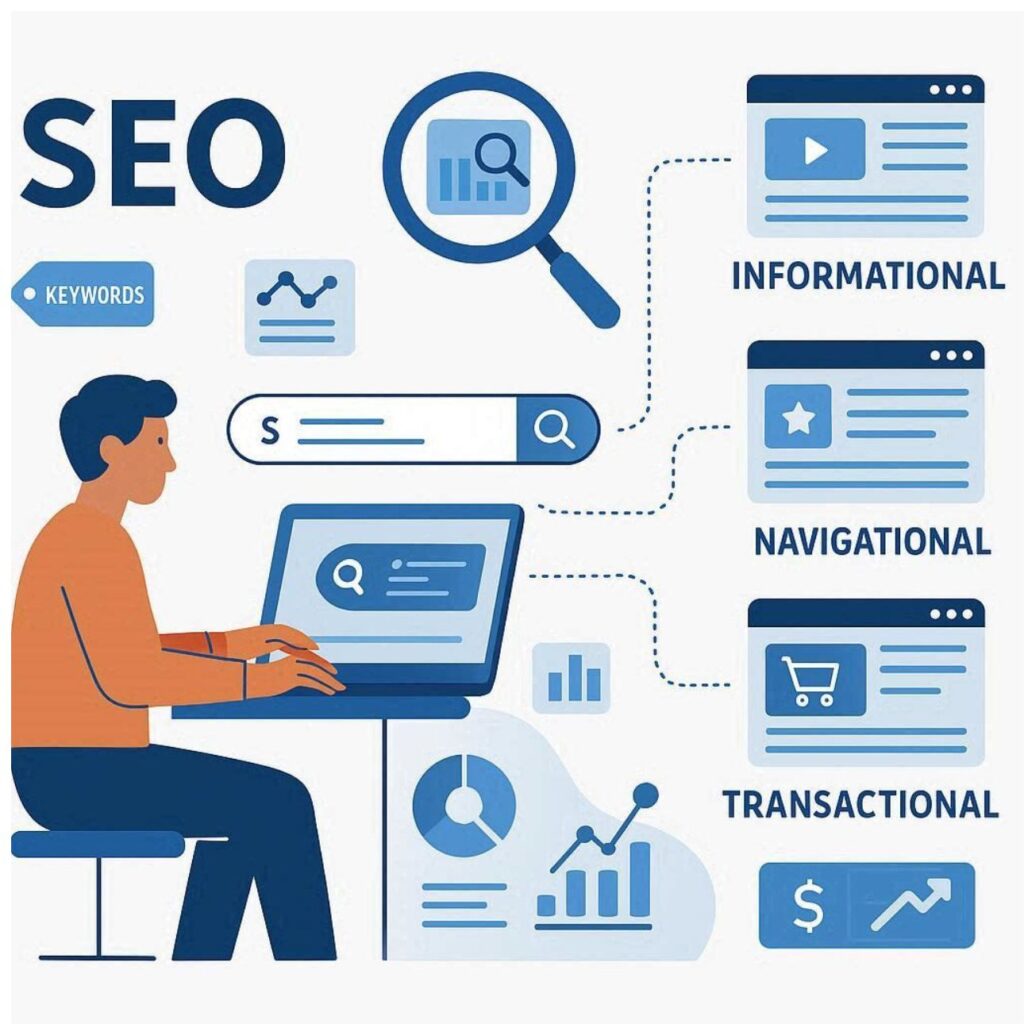
In the world of SEO, ranking for keywords is no longer enough. Search engines have become smarter, focusing on understanding what users actually want when they type a query into Google. This concept is known as Search Intent.
Understanding search intent is one of the most important factors in modern SEO. If your content matches the intent behind a user’s search, you have a much higher chance of ranking well, attracting qualified visitors, and increasing conversions.
In this guide, WorkSEO explains what search intent is, the different types of search intent, and proven optimization techniques to help your website achieve better rankings and higher engagement.
What is Search Intent?
Search intent, also known as user intent or keyword intent, refers to the purpose behind a user’s search query. It answers the question:
“Why is the user searching for this keyword?”
For example:
- “What is SEO?” → User wants information.
- “Best SEO tools” → User wants recommendations.
- “Buy SEO software” → User wants to purchase.
- “WorkSEO SEO course” → User wants a specific website or page.
Google’s primary goal is to provide the most relevant results based on the user’s intent. This means that even if you target the right keyword, your page may not rank if it does not satisfy the searcher’s needs.
Why Search Intent Matters in SEO
Search intent plays a significant role in Google’s ranking algorithm because it directly impacts user satisfaction.
Benefits of Matching Search Intent
- Higher organic rankings
- Better click-through rates (CTR)
- Increased time on page
- Lower bounce rates
- Improved user experience
- Higher lead generation and sales
- Better conversion rates
When your content aligns with search intent, visitors find exactly what they are looking for, which sends positive signals to search engines.
The Four Main Types of Search Intent
Search intent is generally divided into four categories.
1. Informational Intent
Users are looking for information, answers, or educational content.
Examples
- What is digital marketing?
- How does SEO work?
- Benefits of content marketing
- SEO checklist for beginners
These users are in the learning stage and are not necessarily ready to make a purchase.
Best Content Types
- Blog posts
- Guides
- Tutorials
- How-to articles
- Educational videos
- FAQs
Optimization Tips
- Answer questions clearly.
- Use headings and subheadings.
- Include statistics and examples.
- Add FAQs.
- Create comprehensive content.
2. Navigational Intent
Users want to visit a specific website, brand, or page.
Examples
- WorkSEO
- Google Search Console login
- HubSpot blog
- YouTube Studio
The user already knows where they want to go.
Best Content Types
- Homepage
- Brand pages
- Login pages
- Service pages
Optimization Tips
- Build strong brand recognition.
- Optimize title tags with your brand name.
- Create clear website navigation.
- Ensure important pages are easily accessible.
3. Commercial Investigation Intent
Users are researching products or services before making a purchase decision.
Examples
- Best SEO agency in India
- SEMrush vs Ahrefs
- Top digital marketing courses
- SEO pricing comparison
These users are evaluating options and are close to converting.
Best Content Types
- Comparison articles
- Reviews
- Case studies
- Product roundups
- Industry reports
Optimization Tips
- Compare features honestly.
- Include pros and cons.
- Add customer testimonials.
- Showcase case studies.
- Use comparison tables.
4. Transactional Intent
Users are ready to take action, such as making a purchase or submitting an inquiry.
Examples
- Buy SEO course online
- Hire SEO consultant
- Enroll in digital marketing training
- SEO services pricing
These keywords often generate the highest conversion rates.
Best Content Types
- Service pages
- Landing pages
- Product pages
- Pricing pages
Optimization Tips
- Use strong calls to action.
- Display pricing information.
- Add trust signals.
- Include reviews and testimonials.
- Simplify contact forms.
How Google Understands Search Intent
Google uses advanced technologies such as:
- Machine learning
- Natural language processing (NLP)
- User behavior signals
- Search history patterns
- Contextual understanding
Google analyzes millions of searches to identify what users expect when they enter a specific query.
For example, if most users searching for “best SEO tools” click comparison articles, Google will continue showing comparison-based content rather than service pages.
How to Identify Search Intent
Before creating content, identify the intent behind your target keyword.
Analyze Google’s Search Results
Search your keyword and examine:
- Top-ranking pages
- Featured snippets
- People Also Ask section
- Video results
- Shopping results
The content types appearing on page one reveal Google’s understanding of the keyword intent.
Look for Keyword Modifiers
Certain words indicate specific intent.
Informational Modifiers
- What
- How
- Why
- Guide
- Tutorial
- Tips
Examples:
- What is technical SEO?
- SEO guide for beginners
Commercial Modifiers
- Best
- Top
- Review
- Comparison
- Alternative
Examples:
- Best SEO tools
- Ahrefs alternatives
Transactional Modifiers
- Buy
- Hire
- Price
- Cost
- Service
- Course
Examples:
- SEO service cost
- Buy digital marketing course
Navigational Modifiers
- Brand names
- Website names
- Login
- Contact
Examples:
- WorkSEO contact page
- Google Analytics login
Search Intent Optimization Techniques
1. Match Content Format
Create content that matches what Google already ranks.
Examples:
- Blog articles for informational keywords
- Comparison posts for commercial keywords
- Service pages for transactional keywords
Trying to rank a sales page for an informational keyword often leads to poor results.
2. Create Comprehensive Content
Google rewards content that thoroughly satisfies user intent.
Include:
- Definitions
- Examples
- Benefits
- Step-by-step instructions
- FAQs
- Visuals
Comprehensive content helps users find all the information they need in one place.
3. Optimize Meta Titles and Descriptions
Your title and meta description should clearly communicate the page’s purpose.
Example:
Title:
What is Search Intent? Types, Examples & SEO Optimization Guide
Meta Description:
Learn what search intent is, explore the four main types, and discover practical SEO techniques to optimize content for better rankings and conversions.
4. Improve User Experience
A positive user experience helps satisfy search intent.
Focus on:
- Fast page speed
- Mobile responsiveness
- Easy navigation
- Readable formatting
- Clear calls to action
Users should quickly find the information they need.
5. Use Internal Linking
Guide visitors to relevant pages based on their stage in the customer journey.
Example:
Informational Blog → SEO Course Page → Contact Page
This creates a logical path from research to conversion.
6. Optimize for Featured Snippets
Many informational queries trigger featured snippets.
To improve your chances:
- Answer questions directly.
- Use bullet points.
- Include numbered lists.
- Write concise definitions.
Featured snippets can significantly increase organic visibility.
7. Monitor User Behavior
Use tools such as:
- Google Analytics
- Google Search Console
- Heatmap software
Track:
- Bounce rate
- Time on page
- Conversion rate
- Click-through rate
These metrics help determine whether your content satisfies search intent.
Common Search Intent Mistakes
Many websites struggle because they focus only on keywords rather than user intent.
Mistake 1: Targeting the Wrong Content Type
Creating a product page for an informational keyword often results in poor rankings.
Mistake 2: Overloading Pages with Sales Content
Users seeking information may leave if they encounter aggressive sales messaging.
Mistake 3: Ignoring SERP Analysis
Always analyze current search results before creating content.
Mistake 4: Outdated Content
Search intent can evolve over time. Update your content regularly to remain relevant.
The Future of Search Intent
With advancements in AI, voice search, and machine learning, search engines are becoming increasingly effective at understanding user intent.
Modern SEO is shifting from:
Keyword Optimization → Intent Optimization
Businesses that prioritize user needs and create content that genuinely solves problems will achieve stronger rankings and better long-term results.
Conclusion
Search intent is the foundation of successful SEO. Understanding why users search for specific keywords allows you to create content that meets their expectations and aligns with Google’s ranking goals.
The four primary search intent categories—informational, navigational, commercial investigation, and transactional—each require different content strategies. By identifying intent correctly and optimizing content accordingly, you can improve rankings, increase organic traffic, and drive more conversions.
At WorkSEO, we believe that effective SEO begins with understanding the user. When your content satisfies search intent, both visitors and search engines reward your efforts with better visibility, engagement, and business growth.