
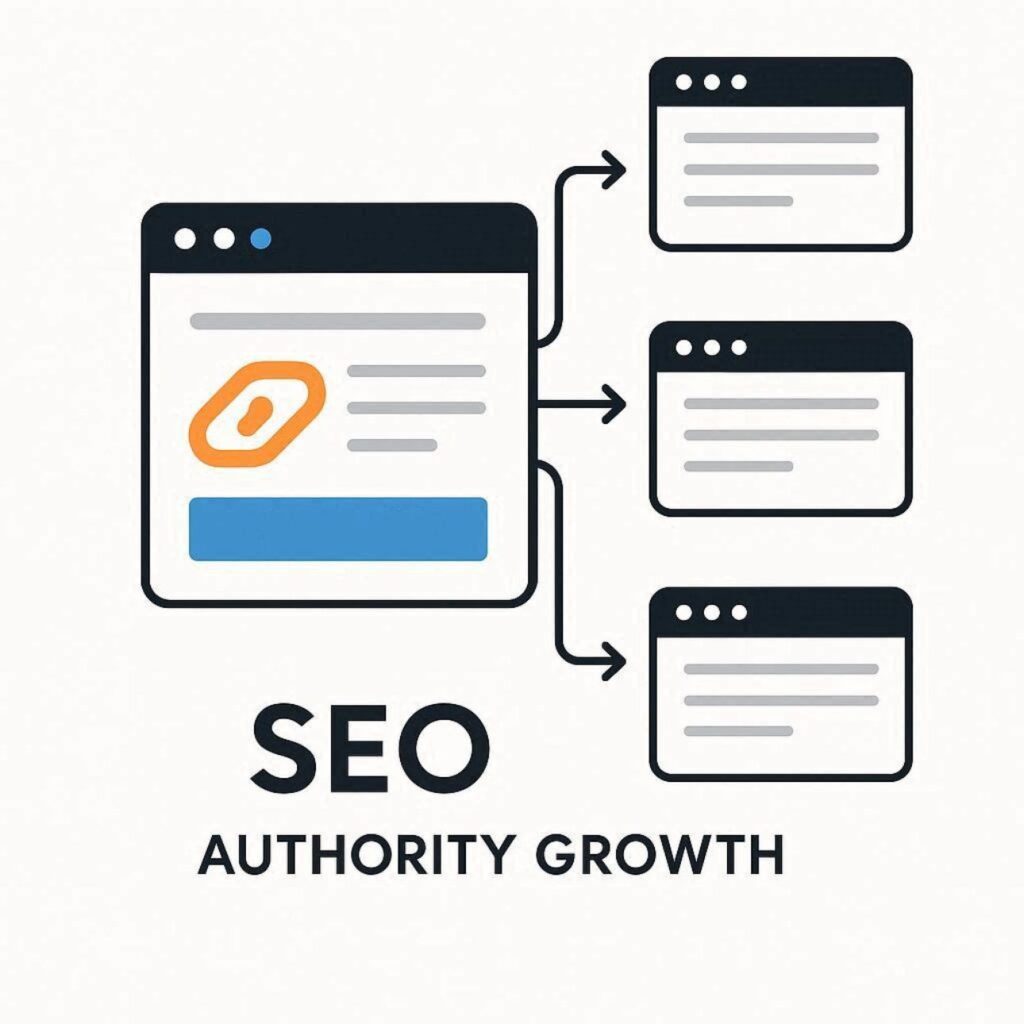
Backlinks are still one of the strongest ranking signals in SEO—but the way you build them has completely changed.
If you’re still thinking about directory submissions, paid links, or mass outreach, you’re already behind.
In 2026, Google doesn’t reward link building.
It rewards link earning.
This guide will show you exactly how to build natural, high-quality backlinks that are safe, scalable, and aligned with Google’s guidelines—using real examples and proven strategies.
What Are Natural Backlinks?
Natural backlinks are links that other websites give you without you asking for them.
They happen when your content becomes genuinely useful to others—so useful that they reference it while explaining their own ideas, supporting arguments, or educating their audience.
These backlinks are earned, not built.
They typically occur when:
- Your content provides unique value that is not easily available elsewhere
- Your insights are clear, practical, and worth referencing
- Your data, examples, or frameworks help others simplify complex topics
But let’s go deeper.
When Do Natural Backlinks Actually Happen?
Natural backlinks are most commonly created in these situations:
- Content Research
Bloggers and marketers researching a topic find your article and cite it as a source - Explanation Support
Someone explaining a concept uses your breakdown because it’s simple and structured - Data Referencing
Your statistics, case studies, or observations are used to support claims - Content Inspiration
Another creator builds on your idea and credits your original insight - Authority Mention
Your website is seen as a trusted source within a niche
Key Characteristics of Natural Backlinks
Not all backlinks are equal. Natural backlinks usually have:
- Contextual placement (inside relevant content, not random links)
- Editorial intent (added by the author, not automated)
- Topical relevance (same or related niche)
- Organic anchor text (not keyword-stuffed)
These signals tell Google that the link is genuine.
Why They Matter More Than Ever
Search engines are now smart enough to evaluate:
- Why a link exists
- Where it appears
- How naturally it fits into content
👉 This is why natural backlinks carry more ranking power than artificially built links.
In simple terms:
👉 People link to you because they trust your content, not because you asked for it.
Why Google Prefers Natural Backlinks
Google’s algorithm has evolved significantly to identify and ignore manipulative link-building tactics.
Major updates like Google Penguin Update and Google Helpful Content Update are specifically designed to filter out low-quality signals and reward genuine authority.
These updates target:
- Spammy backlinks created in bulk
- Paid links that pass artificial authority
- Low-quality link exchanges with no real value
- Irrelevant backlinks from unrelated niches
🔍 How Google Evaluates Backlinks Today
Google doesn’t just count links anymore—it analyzes their quality and intent.
It looks at:
- Context → Is the link relevant to the topic?
- Placement → Is it naturally included within content?
- Source Authority → Is the linking site trustworthy?
- User Value → Does the link help readers understand better?
👉 If a backlink fails these checks, it either gets ignored or reduces your site’s trust.
✅ Why Natural Backlinks Win
Natural backlinks align perfectly with Google’s ranking philosophy.
They:
- Build topical authority over time
- Signal real trust and credibility
- Drive genuine referral traffic
- Support long-term, stable rankings
⚠️ The Hidden Risk of Artificial Links
Even if manipulative links work temporarily, they come with risks:
- Sudden ranking drops
- Loss of trust signals
- Manual or algorithmic penalties
👉 That’s why Google clearly recommends focusing on earning links through high-quality content, not artificially building them.
Real Example: How WorkSEO Earned a Natural Backlink
Let’s look at a real case.
WorkSEO published a blog on Facebook Reels strategy:
👉 https://workseo.in/proven-reasons-why-facebook-reels-go-viral/
Later, another website (AutoShorts) created a similar topic article and referenced WorkSEO’s insights.
They naturally mentioned:
- Content testing cycle
- First-hour engagement importance
- Viral growth mechanism
👉 This is a perfect example of link earning.
Why did it happen?
- The content was insightful
- It explained a concept clearly
- It added original perspective
No outreach. No payment. No request.
👉 Just value-driven SEO.
Link Building vs Link Earning (Important Difference)
| Link Building (Old SEO) | Link Earning (Modern SEO) |
|---|---|
| Asking for links | Attracting links |
| Manual outreach | Content-driven |
| Risky techniques | Google-safe |
| Short-term gains | Long-term authority |
👉 If your strategy still focuses on “getting links,” it’s time to shift to “earning links.”
7 Proven Strategies to Get Natural Backlinks
Building natural backlinks is not about tactics—it’s about creating assets that others depend on.
Let’s break this down with deeper insights.
1. Create “Reference-Worthy” Content
Your content should answer one critical question:
👉 “Why would someone cite this instead of others?”
Most content online is repetitive. What earns backlinks is original thinking + clarity.
Examples of high linkable assets:
- Deep, long-form guides that cover a topic completely
- Unique frameworks (like processes, models, or systems)
- Step-by-step tutorials with real execution
- Insight-driven industry breakdowns
🔍 Insight:
Google increasingly favors information gain—content that adds something new, not just rewritten versions of existing pages.
💡 Tip:
- Add your own interpretation, not just facts
- Use real-world examples (like your WorkSEO case)
- Structure content so others can easily quote sections
👉 If your content becomes a “go-to explanation,” backlinks follow naturally.
2. Use Data, Stats & Real Insights
Data-driven content is one of the fastest ways to earn backlinks.
Why? Because content creators constantly look for credible sources to support their claims.
Examples:
- Case studies (what worked, what failed)
- Experiment results (your own testing)
- Industry benchmarks or comparisons
- Observations based on real projects
🔍 Insight:
Even small original data points can attract links if they are:
- Clear
- Relevant
- Easy to quote
💡 Example:
Instead of saying “Reels perform better” →
Say “Reels can get up to 135% more reach based on engagement behavior”
👉 Specificity increases citations.
3. Build Topical Authority
Google doesn’t rank pages—it ranks expertise clusters.
If your website consistently covers a niche, it becomes a trusted reference hub.
Example:
If WorkSEO publishes consistently on:
- SEO strategies
- Content marketing
- Social media growth
👉 Over time, other websites will naturally treat it as a source of truth.
🔍 Insight:
Topical authority compounds:
- More content → Better internal linking
- Better linking → Stronger context
- Stronger context → More trust → More backlinks
💡 Tip:
Create content clusters, not random blogs.
👉 Authority is built through consistency, not one viral post.
4. Write Content That Explains Complex Concepts Simply
The internet rewards clarity over complexity.
Most backlinks come from content that explains something better than others.
In your example:
- Testing cycle explanation
- Engagement logic
That’s exactly why another site referenced your content.
🔍 Insight:
People don’t link to “advanced content”—
They link to understandable content.
💡 Make your content:
- Easy to scan
- Simple in language
- Structured with logic and flow
👉 If someone can copy your explanation to teach their audience, you’ll earn the link.
5. Use Internal Linking Smartly
Internal linking is underrated in link earning.
It helps:
- Distribute authority across pages
- Improve crawlability
- Strengthen topic relationships
🔍 Insight:
Strong internal linking makes your site look like a well-connected knowledge system, not isolated pages.
This increases:
- Time on site
- Content depth
- Perceived authority
💡 Tip:
- Link supporting articles to main guides
- Use descriptive anchor text
- Build topic clusters
👉 A strong internal structure increases the chance that any one page earns backlinks—and lifts the entire site.
6. Update Content Regularly
Content freshness directly impacts linkability.
Outdated content gets ignored. Updated content gets cited.
What to update:
- Statistics and numbers
- Trends and algorithm changes
- Examples and case studies
🔍 Insight:
Writers prefer linking to recent, relevant sources—especially in fast-changing fields like SEO.
💡 Tip:
- Add “2026 update” sections
- Refresh headlines and intros
- Improve clarity over time
👉 Updated content signals reliability, increasing backlinks.
7. Be Discoverable (Don’t Ignore Promotion)
Even the best content won’t earn backlinks if no one sees it.
Visibility is the first step to link earning.
Promote through:
- Social media platforms
- Niche communities (forums, groups)
- SEO optimization (keywords + structure)
🔍 Insight:
Most backlinks don’t come from outreach—they come from discovery during research.
💡 Tip:
- Optimize for search intent
- Target long-tail keywords
- Share content where your audience already exists
👉 If your content is discoverable, it becomes “linkable.”
What to Avoid (Very Important)
Avoid these outdated tactics:
❌ Buying backlinks
❌ Spammy guest posting
❌ Link exchanges
❌ Automated link building tools
These can trigger penalties and harm rankings.
How to Know If Your Content Can Earn Backlinks
Before publishing, ask:
- Does this add new value?
- Is this better than top-ranking pages?
- Would I reference this in my own blog?
If the answer is YES →
👉 You’re on the right track.
Pro Tip: The “Citation Mindset”
Instead of thinking:
👉 “How do I get backlinks?”
Think:
👉 “How do I become a source others cite?”
This single mindset shift changes everything.
Final Thoughts
Backlinks are no longer about effort—they’re about value.
The more helpful, clear, and insightful your content is, the more naturally it attracts links.
The WorkSEO example proves one thing clearly:
👉 You don’t need to chase backlinks.
👉 You need to create content worth linking to.
Conclusion
Natural link building is the future of SEO.
Focus on:
- High-quality content
- Unique insights
- Real value
And backlinks will follow automatically.
🔥 Need Help With SEO Strategy?
At WorkSEO, we focus on Google-approved SEO strategies that drive long-term results.
If you want to grow your website traffic and authority:
👉 Visit: https://workseo.in/
Frequently Asked Questions (FAQs)
What are natural backlinks in SEO?
Natural backlinks are links that other websites create to your content without any request or payment. These links are earned when your content provides real value, unique insights, or useful explanations that others want to reference in their own articles.
Why are natural backlinks important for SEO?
Natural backlinks are important because they signal trust, authority, and relevance to search engines. Unlike artificial links, they are considered genuine endorsements, which helps improve rankings, increase organic traffic, and build long-term website credibility.
How can I get backlinks naturally?
You can earn backlinks naturally by creating high-quality, valuable content that others want to reference. This includes publishing in-depth guides, sharing original insights, using real data or case studies, and explaining complex topics in a simple and clear way.
Is link building still relevant in 2026?
Yes, backlinks are still a key ranking factor in 2026. However, the approach has shifted from manual link building to link earning. Google now prioritizes websites that naturally attract backlinks through helpful, user-focused content.
What is the difference between link building and link earning?
Link building involves actively trying to acquire backlinks through outreach or strategies, while link earning focuses on creating content that naturally attracts links. Link earning is safer, more sustainable, and aligns better with Google’s guidelines.
Can buying backlinks harm my website?
Yes, buying backlinks can harm your website because it violates search engine guidelines. It can lead to penalties, ranking drops, or loss of trust. It’s always better to focus on earning backlinks naturally through quality content.
How long does it take to get natural backlinks?
The time required to earn natural backlinks depends on content quality, competition, and visibility. Some content may attract links within days, while others may take weeks or months to gain consistent backlinks over time.