Search Engine Optimization (SEO) is one of the most powerful digital marketing strategies for driving organic traffic, generating leads, and growing your online presence. In 2026, SEO has evolved beyond keywords and backlinks—it now focuses heavily on user experience, content quality, and intent.
In this complete guide by WorkSEO, you’ll learn everything about SEO, including how it works, types of SEO, examples, and actionable strategies you can implement today.
What is SEO?
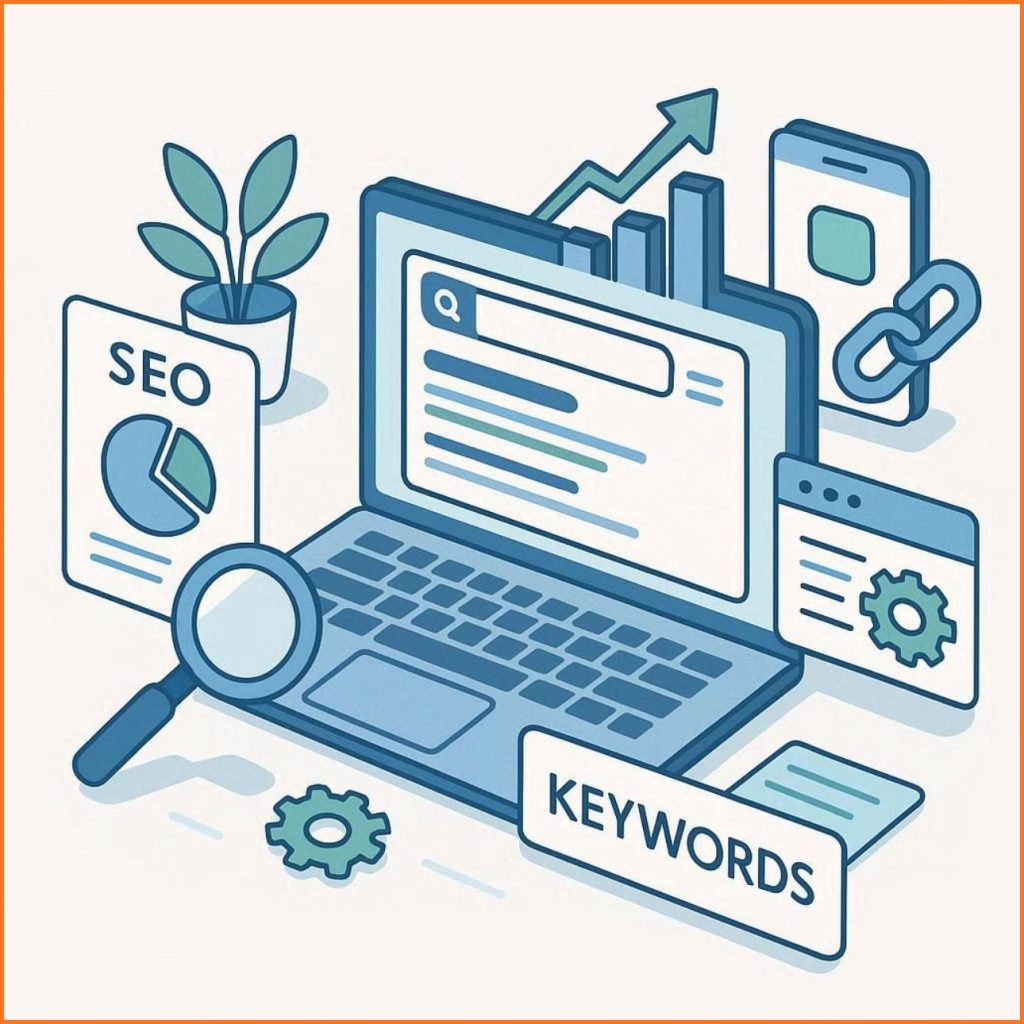
SEO (Search Engine Optimization) is the process of optimizing a website to improve its visibility on search engines like Google, Bing, and Yahoo.
The main goal of SEO is to rank higher in search engine results pages (SERPs) for relevant keywords, thereby increasing organic (non-paid) traffic.
Simple Example:
If someone searches for “best SEO company in Chennai” and your website appears on the first page, SEO is the reason behind that visibility.
Why is SEO Important in 2026?
SEO is more important than ever due to increasing competition and evolving search algorithms.
Key Benefits:
- ✅ Drives high-quality organic traffic
- ✅ Builds brand credibility and trust
- ✅ Generates long-term results
- ✅ Cost-effective compared to paid ads
- ✅ Improves user experience
With AI-driven updates and Google’s emphasis on E-E-A-T (Experience, Expertise, Authoritativeness, Trustworthiness), businesses must focus on delivering real value.
How Search Engines Work
To understand SEO, you need to know how search engines operate. They follow three main steps:
1. Crawling
Search engines use bots (also called spiders) to discover new and updated content.
2. Indexing
The discovered content is stored and organized in a database.
3. Ranking
Search engines rank content based on relevance, quality, and user intent.
Types of SEO
SEO is divided into three main categories:
1. On-Page SEO
On-page SEO involves optimizing elements within your website.
Key Factors:
- Title tags & meta descriptions
- Header tags (H1, H2, H3)
- Keyword placement
- Internal linking
- Image optimization
Example:
Optimizing a blog post with the keyword “SEO guide 2026” in headings and content.
2. Off-Page SEO
Off-page SEO focuses on building your website’s authority through external efforts.
Key Factors:
- Backlinks
- Guest posting
- Social signals
- Brand mentions
Example:
Getting a backlink from a high-authority website like Forbes.
3. Technical SEO
Technical SEO ensures your website meets technical requirements for search engines.
Key Factors:
- Page speed
- Mobile-friendliness
- XML sitemap
- Robots.txt
- HTTPS security
What are Keywords in SEO?
Keywords are the terms users type into search engines.
Types of Keywords:
- Short-tail keywords (e.g., SEO)
- Long-tail keywords (e.g., SEO services in Chennai)
- Transactional keywords
- Informational keywords
Example:
- “What is SEO?” → Informational
- “Hire SEO expert in Chennai” → Transactional
What is Search Intent?
Search intent refers to the purpose behind a user’s search query.
Types:
- Informational
- Navigational
- Transactional
- Commercial Investigation
Understanding intent helps create content that ranks and converts.
SEO Ranking Factors in 2026
Search engines use hundreds of ranking factors, but the most important include:
🔹 Content Quality
High-quality, original, and helpful content ranks better.
🔹 Backlinks
Links from authoritative websites signal trust.
🔹 User Experience (UX)
Includes page speed, mobile usability, and easy navigation.
🔹 Core Web Vitals
Metrics that measure loading speed, interactivity, and visual stability.
🔹 E-E-A-T
Content must demonstrate experience, expertise, authority, and trust.
SEO Process: Step-by-Step Guide
Here’s a proven SEO workflow used by WorkSEO:
Step 1: Keyword Research
Use tools to find relevant keywords with good search volume.
Step 2: Competitor Analysis
Analyze top-ranking websites for your target keywords.
Step 3: Content Creation
Create high-quality, SEO-optimized content.
Step 4: On-Page Optimization
Optimize titles, meta tags, and structure.
Step 5: Technical SEO Fixes
Improve site speed, mobile usability, and indexing.
Step 6: Link Building
Acquire high-quality backlinks.
Step 7: Performance Tracking
Monitor rankings and traffic using tools.
SEO Tools You Should Use
Here are some popular SEO tools:
- Google Analytics – Track website traffic
- Google Search Console – Monitor search performance
- SEMrush – Keyword research & competitor analysis
- Ahrefs – Backlink analysis
Example of SEO in Action
Let’s say you run a digital marketing agency called WorkSEO.
Goal:
Rank for “SEO services in Chennai”
Strategy:
- Create a landing page targeting the keyword
- Write blog content related to SEO
- Build backlinks from relevant websites
- Optimize Google Business Profile
Result:
Higher rankings, more traffic, and increased leads.
Common SEO Mistakes to Avoid
Avoid these mistakes to improve your rankings:
- ❌ Keyword stuffing
- ❌ Duplicate content
- ❌ Ignoring mobile optimization
- ❌ Poor website speed
- ❌ Low-quality backlinks
Future of SEO in 2026 and Beyond
SEO is rapidly evolving with AI and user behavior changes.
Trends to Watch:
- AI-generated content with human editing
- Voice search optimization
- Visual search
- Zero-click searches
- Personalized search results
Search engines are becoming smarter, focusing more on user satisfaction than ever before.
Looking to grow your business with SEO?
👉 Contact WorkSEO today for expert SEO services and start ranking on the first page of Google!
Final Thoughts
SEO is not just about ranking—it’s about delivering value to users. By focusing on high-quality content, user experience, and ethical optimization strategies, businesses can achieve long-term success.
Whether you are a beginner or an experienced marketer, mastering SEO in 2026 requires continuous learning and adaptation.
About WorkSEO
WorkSEO is a results-driven digital marketing agency specializing in SEO, content marketing, and lead generation strategies. With years of experience across multiple industries, WorkSEO helps businesses achieve top rankings and sustainable growth.
FAQs
1. What is SEO in simple words?
SEO is the process of improving a website’s visibility on search engines to get organic traffic.
2. How long does SEO take?
SEO typically takes 3 to 6 months to show noticeable results.
3. Is SEO better than paid ads?
SEO provides long-term results, while paid ads offer immediate but short-term traffic.
4. Can I do SEO myself?
Yes, but it requires time, learning, and consistent effort.