
Ranking for jewelry keywords but not getting sales?
You’re not alone.
Most jewelry eCommerce websites target high-volume keywords like “jewelry keywords” or “jewellery SEO” — but these terms rarely convert.
In reality, buyers search very differently:
“diamond engagement ring under $2,000”
“handmade silver earrings for daily wear”
“custom gold necklace for anniversary”
This guide breaks down 25 proven keyword research strategies used by successful jewelry brands to attract ready-to-buy customers, not just impressions.
Whether you sell diamond jewelry, gold jewelry, silver collections, or handmade designs, these strategies will help you:
Find buyer-intent jewelry SEO keywords
Improve organic CTR
Increase conversions from search traffic
👉 Written by WorkSEO — specialists in jewelry & eCommerce SEO.
This guide is for:
✔ Jewelry eCommerce store owners
✔ Diamond, gold & silver jewelry brands
✔ Shopify, WooCommerce & custom stores
❌ Not for SEO students or generic keyword lists
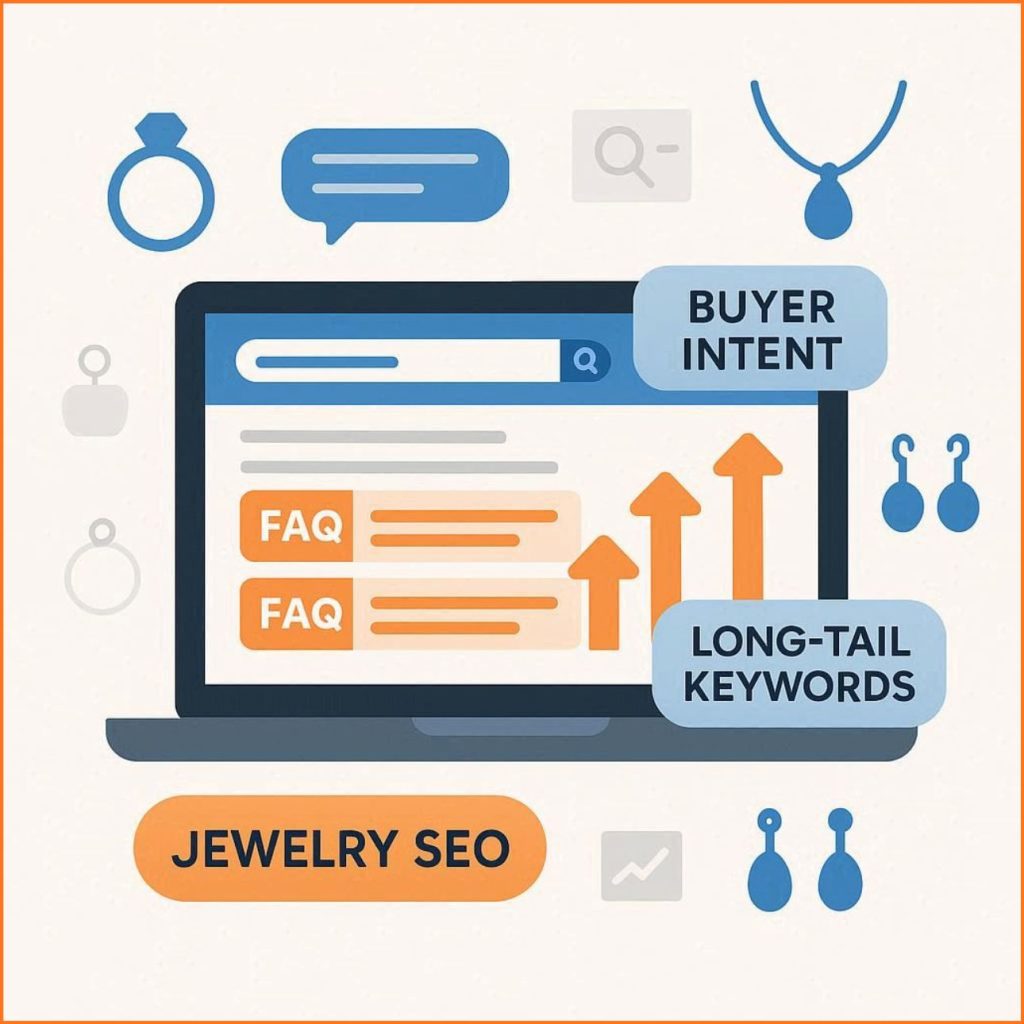
Why Most Jewelry SEO Keywords Fail to Convert
Ranking for jewelry keywords doesn’t automatically mean sales.
Most high-impression keywords like “jewellery keywords list” or “seo for jewelry” are research-stage queries, not buying queries.
Successful jewelry SEO focuses on:
Product-specific keywords
Price-qualified searches
Occasion-based intent
Material + design combinations
This guide helps you shift from traffic-focused keyword research to revenue-focused keyword strategy — the exact reason top jewelry brands dominate search results.
Why Jewelry SEO Keywords Matter for eCommerce Growth & Sales
Keyword research is the foundation of successful jewelry website SEO, but it’s not just about collecting a long jewellery keywords list. It’s about identifying the right jewelry SEO keywords that real buyers use when they are ready to browse, compare, and purchase.
In the highly competitive jewelry eCommerce space, targeting the wrong keywords can result in high impressions but zero clicks. Strategic keyword research ensures your website ranks for keywords for selling jewelry, not just informational terms.
When done correctly, keyword research for jewelry eCommerce helps you connect with customers at every buying stage — from discovery to final purchase — while strengthening your overall SEO for jewelry websites.
How Keyword Research Improves Jewelry Website SEO
1. Attracts High-Intent Jewelry Buyers
By focusing on seo keywords for jewellery with commercial intent (such as product-, material-, and occasion-based searches), your site attracts visitors who are actively looking to buy — not just browse.
2. Builds a Profitable Jewellery Keywords List
Keyword research reveals exactly what shoppers search for, helping you create a targeted jewellery keywords list for:
Category pages
Product pages
Blog content
This improves visibility across multiple keyword clusters instead of relying on one broad term.
3. Improves SEO for Jewelry Category & Product Pages
Using accurate jewelry SEO keywords allows you to optimize category structures, product titles, descriptions, and internal links — a critical factor in jewellery website SEO and marketplace rankings.
4. Identifies Keywords for Selling Jewelry Online
Not all keywords convert. Keyword research helps you separate:
Informational queries (“jewellery trends”)
Transactional queries (“buy diamond ring online”)
This ensures your pages rank for keywords for selling jewelry, not just high-volume terms.
5. Strengthens SEO for Jewelry Websites & Marketplaces
Whether you sell through your own store, Amazon, Etsy, or Shopify, keyword research improves:
Organic rankings
Paid ad efficiency
Marketplace search visibility
6. Spots Jewelry Trends Before Competitors
Search data reveals emerging jewelry searches such as new materials, styles, or occasions — allowing you to optimize pages before demand peaks and gain a competitive SEO advantage
Want to master SEO keyword research for Instagram, YouTube & Google?
Learn practical SEO strategies with real case studies and live projects.
Join the SEO Course by WorkSEO
1. Understand Your Jewelry Buyers Before Choosing SEO Keywords
Effective jewelry SEO starts with understanding your customers, not just finding keywords. Different buyers search in different ways based on age, budget, lifestyle, and purchase intent.
Age-Based Jewelry Search Behavior
Gen Z (18–24)
Trend-focused and budget-conscious buyers.
Keywords:
minimalist gold chains
affordable jewelry
handmade bracelets
sustainable jewelry
Millennials (25–40)
The largest buying group, often searching for personalized and gift-related jewelry.
Keywords:
custom diamond necklaces
vintage gold rings
handmade silver bracelets
Gen X (41–55)
Focused on quality, trust, and long-lasting value.
Keywords:
luxury gold chains
diamond earrings
gold bangles
Baby Boomers (56+)
Interested in classic and heirloom jewelry.
Keywords:
traditional gold jewelry
vintage diamond necklaces
luxury jewelry
Gender-Based Jewelry Searches
Women
Account for most jewelry-related searches.
Keywords:
gold chain for women
diamond rings
statement earrings
Men
A fast-growing jewelry market.
Keywords:
men’s gold chains
men’s bracelets
custom pendants
Unisex Buyers
Keywords:
unisex gold chains
minimalist jewelry
silver rings
Budget-Based Search Intent
Budget Buyers
Looking for affordable options.
Keywords:
cheap engagement rings
affordable gold chains
jewelry gifts
Mid-Range Buyers
Balancing quality and price.
Keywords:
custom necklaces under $500
vintage gold rings
gemstone bracelets
Luxury Buyers
Searching for premium products.
Keywords:
luxury gold chains
custom diamond pendants
exclusive jewelry
Lifestyle-Based Jewelry Keywords
Handmade Jewelry
handmade bracelets
handcrafted rings
artisan jewelry
Vintage Jewelry
vintage gold chains
antique necklaces
retro jewelry
Minimalist Jewelry
minimalist gold chains
simple bracelets
stud earrings
Luxury Jewelry
statement earrings
luxury jewelry
designer collections
Jewelry Search Intent
Informational
Research-focused searches.
Examples:
jewelry trends
how to choose a gold chain
Comparison
Comparing products before buying.
Examples:
best engagement rings
handmade vs machine-made jewelry
Transactional
Ready-to-buy searches.
Examples:
buy diamond rings online
custom gold chain for men
Matching your jewelry keywords to buyer intent helps attract qualified traffic and increase sales.

Keyword research mistakes can cost jewelry brands traffic and sales.
Our SEO experts build keyword strategies based on real buyer intent.
2. Use Google Autocomplete
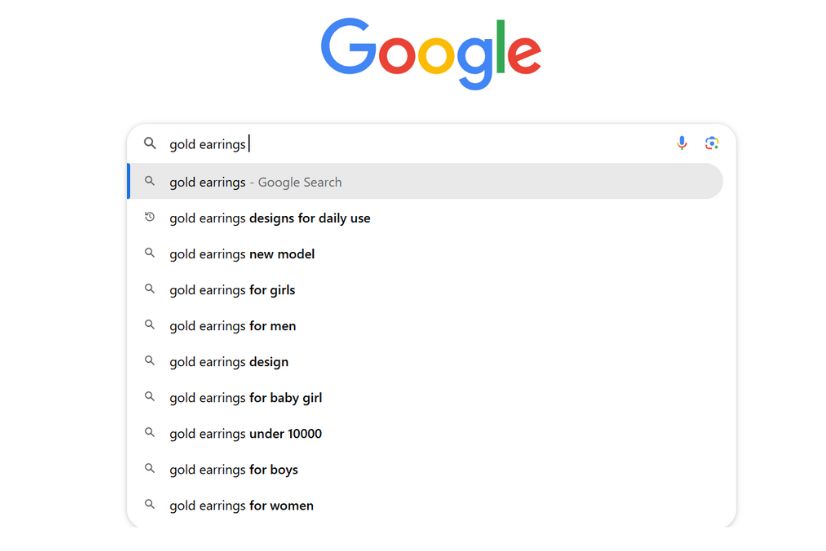
Google Autocomplete is one of the most powerful yet underrated tools for jewellery keyword research. When users begin typing a query in Google, the suggestions that appear are not random — they are based on real search behavior, popularity, and trending demand. For jewelry eCommerce, this means you get direct access to how potential buyers actually search, not how brands assume they search.
For example, typing base keywords like gold chain, diamond ring, or silver bracelet will instantly reveal long-tail variations such as gold chain for women daily wear, custom diamond ring under budget, or silver bracelet for men minimalist. These are high-intent jewelry SEO keywords that often indicate strong purchase intent.
Google Autocomplete is especially valuable for identifying:
Style-based searches (minimalist, vintage, statement)
Occasion-based searches (wedding, anniversary, gifting)
Price-sensitive queries (affordable, under budget, luxury)
Because these suggestions come directly from Google, they align perfectly with search demand and intent, making them ideal for keywords for selling jewelry. You can use these autocomplete terms to optimize category pages, product titles, FAQs, and blog content.
For best results, repeat searches using:
“Buy”, “Best”, “Affordable”, “Custom”, “Designs”
Location modifiers (India, online, near me)
Gender and usage terms (men, women, daily wear)
When used consistently, Google Autocomplete helps you build a natural, intent-driven jewellery keywords list that improves visibility, CTR, and conversions without relying on paid tools
3. Do Competitor Analysis
Competitor analysis is a critical step in SEO for jewelry websites, because it reveals what already works in your market. Instead of guessing which keywords will perform, you analyze top-ranking jewelry brands and extract proven jewelry SEO keywords they are already benefiting from.
Start by identifying your real SEO competitors — not just big brands, but websites ranking on Page 1 for your target terms like gold chains online, diamond earrings, or custom jewelry. Study their:
Category page titles and URLs
Product naming patterns
Blog topics and headings
Internal linking structure
This helps uncover keywords for selling jewelry that may not appear in standard keyword tools but drive actual revenue.
Competitor analysis also helps you identify:
Keyword gaps (terms competitors rank for but you don’t)
Content gaps (missing buying guides or comparison pages)
Long-tail opportunities with lower competition
For example, if competitors rank for handmade silver bracelets with gemstones but your site only targets silver bracelets, you’re missing qualified traffic. You can create optimized category pages or blogs to capture this demand.
Additionally, reviewing competitor meta titles and descriptions helps improve your own CTR strategy. You learn which value propositions — price, quality, customization, delivery — resonate most with searchers.
In short, competitor analysis transforms your jewellery SEO strategy from experimental to data-backed, allowing you to compete smarter, not harder.
4. Check Google Search Intent
One of the biggest reasons jewelry websites fail to convert organic traffic is ignoring search intent. Search intent defines why a user is searching — and Google prioritizes pages that match this intent precisely. For jewellery website SEO, understanding intent is more important than search volume.
There are three main types of intent in jewelry searches:
Informational: Users researching trends, styles, or materials
Example: latest jewelry trends, how to choose a gold chainComparative: Users evaluating options, prices, or quality
Example: best engagement rings under 500, handmade vs machine-made jewelryTransactional: Users ready to purchase
Example: buy affordable diamond rings online, custom gold chain for men
Targeting transactional keywords with blog posts — or informational keywords with product pages — leads to poor rankings and low conversions. Aligning intent ensures Google sees your page as the best match for the query.
Before targeting any jewelry SEO keyword, check:
The type of content ranking on Page 1
Whether results are product pages, blogs, or category pages
The language used in titles (buy, best, price, designs)
This approach helps structure your site logically and improves engagement, dwell time, and conversions — all essential for long-term SEO success.
5. Leverage Long-Tail Keywords
Long-tail keywords are the backbone of profitable jewellery SEO, especially for small and mid-sized eCommerce stores. While short keywords like diamond ring are highly competitive, long-tail keywords for selling jewelry are more specific, less competitive, and far more conversion-focused.
Examples include:
custom diamond necklace under 500
minimalist gold chain for daily wear
men’s silver bracelet handmade
These searches indicate that the buyer knows what they want, making them closer to purchase. Although long-tail keywords have lower search volume, they typically deliver:
Higher conversion rates
Better ranking stability
Lower SEO competition
Long-tail keywords are ideal for:
Product pages
Sub-category pages
Buying guides and FAQs
They also help your website rank for hundreds of related variations, strengthening overall jewelry website SEO authority.
Another advantage is relevance. Google rewards specificity, and long-tail queries allow your pages to match user expectations exactly. This leads to improved CTR, reduced bounce rates, and higher sales.
A strong long-tail strategy ensures your jewelry store doesn’t rely on one or two keywords — instead, it builds sustainable traffic from multiple buyer-intent searches.
6. Use Google Trends
Google Trends helps you understand how jewelry search demand changes over time, making it essential for seasonal and trend-based SEO planning. By analyzing keyword popularity, you can identify peak buying periods—such as spikes in Valentine’s Day diamond rings or bridal jewelry during wedding seasons—and plan your content, inventory, and campaigns accordingly. Google Trends also allows you to compare similar jewelry keywords to determine which terms have stronger and more consistent demand. These insights help prioritize high-performing jewelry SEO keywords and ensure your website stays aligned with current market interest.
7. Optimize for Local SEO Keywords
If your jewelry business serves a specific city or has a physical store, local SEO is critical for visibility. Location-based searches like best diamond jewelry store in Mumbai or custom engagement rings near me indicate strong purchase intent. Optimizing your website with local keywords, maintaining an updated Google Business Profile, and earning local backlinks improves your chances of appearing in local search results and map listings. Local keyword targeting helps convert nearby searchers into in-store visitors and high-intent online buyers.
8. Utilize Social Media & E-commerce SEO
Social platforms and eCommerce marketplaces function as search engines themselves. Optimizing Instagram captions, Pinterest descriptions, and marketplace product listings with buyer-intent jewelry keywords improves discoverability beyond Google search. Using hashtag SEO, keyword-rich captions, and optimized product titles helps attract users actively searching for specific jewelry styles. When combined with off-page strategies like guest posting and backlinks, social and marketplace SEO strengthens overall jewellery website SEO and drives qualified traffic from multiple channels.
9. Track & Update Keywords Regularly
SEO for jewelry websites is an ongoing process, not a one-time setup. Search behavior, trends, and competition constantly change, making regular keyword tracking essential. Tools like Google Search Console help identify rising keywords, declining terms, and new opportunities within your jewellery keywords list. Updating product descriptions, blog content, and meta data with fresh, high-converting keywords ensures your site remains relevant and competitive. Consistent optimization leads to stable rankings, better CTR, and improved conversion rates over time.
10. Use LSI Keywords (Latent Semantic Indexing)
Modern SEO relies on semantic relevance, not keyword stuffing. Using LSI (Latent Semantic Indexing) keywords—such as related terms, synonyms, and contextually connected phrases—helps search engines better understand your content. Placing primary and supporting jewelry SEO keywords close together improves keyword proximity and topical clarity. Well-structured headings, natural language, and intent-focused content enhance relevance while maintaining readability. This approach strengthens rankings, improves user experience, and builds long-term SEO authority.
11. Check Amazon & Etsy Search Suggestions
Amazon and Etsy are powerful keyword research platforms because users searching there usually have strong purchase intent. Unlike traditional keyword tools, these marketplaces reveal what people are actively looking to buy right now. By analyzing autocomplete suggestions, best-selling products, and category structures, you can uncover high-converting jewelry SEO keywords that directly reflect buyer demand.
Typing seed terms such as gold necklace, silver earrings, or bridal jewelry into the Amazon or Etsy search bar reveals popular phrases like gold chain for men, boho jewelry set, or pearl drop earrings for weddings. These are excellent additions to your jewellery keywords list, especially for product and category pages.
Additionally, studying top-selling product titles provides insight into how successful sellers structure keyword-rich descriptions. Customer Q&A sections and reviews also reveal long-tail queries and objections buyers care about. Using these insights helps refine keywords for selling jewelry, improve product copy, and strengthen overall jewellery website SEO.
12. Analyze Customer Reviews for Keyword Ideas
Customer reviews are an invaluable source of authentic, intent-driven jewelry keywords. Buyers naturally describe products using the same language they use when searching on Google, Amazon, or Etsy. Analyzing these reviews helps uncover long-tail keywords that keyword tools often miss.
Look for recurring phrases such as perfect everyday earrings, delicate gold chain, or adjustable silver bracelet. These phrases can be integrated into product descriptions, FAQs, and blog content. Reviews also reveal pain points and desires—such as durability, comfort, or sparkle—which can inspire comparison articles or buying guides.
Using review insights to optimize your content improves relevance, enhances user trust, and strengthens SEO for jewellery websites by aligning your pages with real customer language and expectations.
13. Use YouTube for Video Keyword Research
YouTube is the second-largest search engine and a valuable resource for discovering seo keywords for jewellery. Jewelry buyers often search YouTube for reviews, buying guides, and trend inspiration before making a purchase decision.
Autocomplete suggestions on YouTube reveal popular long-tail queries such as bridal necklace designs or gold ring buying guide. Studying high-performing video titles and descriptions helps identify keywords for jewelry websites that perform well in visual and informational content. Video comments further reveal common questions and concerns that can be converted into blog topics or FAQ sections.
By aligning your written content with video search behavior, you expand your reach and strengthen your overall jewelry SEO strategy.
14. Leverage Pinterest Keywords
Pinterest functions as a visual search engine where users actively discover fashion and jewelry trends. It is especially effective for identifying style-based and inspiration-driven jewelry keywords.
Using Pinterest Trends and search auto-suggestions reveals popular phrases like minimalist gold jewelry, boho earrings, or dainty silver rings. Analyzing high-performing pins helps uncover keywords for jewelry websites that align with buyer inspiration and seasonal demand. These keywords work exceptionally well for blog posts, lookbooks, and category page optimization.
Pinterest keyword insights help your brand stay ahead of trends while supporting long-term SEO for jewelry websites.
15. Explore Google’s ‘Related Searches’ Section
Google’s built-in search features are a goldmine for expanding your jewellery keywords list. The “Related Searches” section at the bottom of the SERP reveals closely connected queries such as best gold chains for men or gold necklace designs for daily wear. Clicking these suggestions opens new keyword clusters and long-tail opportunities.
The “People Also Ask” box highlights real user questions like What is trending in gold jewelry? or How to clean a diamond ring?. These queries are ideal for blog posts, buying guides, and FAQ sections targeting meta keywords for jewelry.
Using Google’s related searches ensures your content stays aligned with real user intent, improves topical authority, and strengthens your overall jewelry SEO performance.
16. Monitor Social Media Hashtags
Social media platforms such as Instagram, TikTok, and Pinterest act as real-time trend indicators for jewelry searches. Monitoring hashtags allows you to understand how users describe jewelry styles, materials, and occasions—often before those terms gain traction in Google search results. Hashtags like #handmadejewelry, #goldnecklace, or #earringsoftheday frequently mirror emerging jewelry SEO keywords.
By analyzing influencer captions, reels, and viral posts, you can identify language patterns and buyer-focused phrases that resonate with audiences. Many of these hashtags can be repurposed into keywords for jewelry websites, product descriptions, blog titles, or even meta keywords for jewelry. Hashtag research tools further help estimate popularity and growth trends, enabling you to refine your jewellery keywords list with timely, high-engagement terms. This approach keeps your content relevant, trend-aligned, and discoverable across both social and search platforms.
17. Use SEO Plugins Like Rank Math or Yoast
SEO plugins such as Rank Math and Yoast are essential for implementing keyword research effectively—especially for WordPress-based jewelry websites. These tools provide real-time guidance to ensure seo keywords for jewellery, keywords gold, and keywords for selling jewelry are placed correctly across titles, headings, URLs, and image alt text.
Beyond keyword placement, these plugins evaluate content readability, internal linking, and metadata quality—factors that directly impact rankings and click-through rates. Advanced features like schema markup and rich snippets help jewelry pages stand out in search results, improving visibility for transactional keywords. By using SEO plugins consistently, you ensure your on-page SEO is technically sound while remaining aligned with your jewellery website SEO strategy.
18. Optimize for Voice Search Keywords
Voice search is rapidly reshaping how users search for jewelry online. Unlike traditional typed queries, voice searches are longer, conversational, and often question-based. Queries such as “Where can I buy a gold bracelet online near me?” reflect strong purchase intent and local relevance—making them valuable keywords for selling jewelry.
Optimizing for voice search involves using natural language, complete sentences, and FAQ-style content that directly answers user questions. Incorporating question-based jewelry keywords and local modifiers improves your chances of appearing in voice results. This strategy strengthens SEO for jewellery websites by aligning content with modern search behavior and increasing visibility across mobile and smart assistant searches.
19. Use Google Keyword Planner for Free Keyword Ideas
Google Keyword Planner is a reliable, free tool for validating keyword ideas with real data. It helps assess search volume, competition, and commercial value for jewellery keywords, making it easier to prioritize terms that balance demand and competition.
By entering broad product terms like gold rings, earrings, or silver jewelry, you can uncover related long-tail keywords and category-specific phrases. Filtering by competition reveals achievable opportunities, while grouping keywords by product type supports better site structure. Using Keyword Planner ensures your jewelry SEO strategy is data-backed rather than assumption-driven.
20. Track & Update Keywords Regularly
SEO for jewellery is an ongoing process that requires regular monitoring and refinement. Search trends, buyer behavior, and competitor strategies change constantly, making it essential to track keyword performance over time. Tools like Google Search Console, SEMrush, Ahrefs, and Google Analytics help identify which jewelry SEO keywords are gaining traction and which are declining.
Regular keyword reviews allow you to refresh product descriptions, update blog content, and optimize metadata using newer, high-converting terms. Expanding existing pages with fresh long-tail keywords improves topical authority and captures additional traffic. By consistently updating your jewellery keywords list, you maintain rankings, improve CTR, and drive sustained conversions in a competitive jewelry market.
21. Leverage Product-Specific Keywords
Broad terms like jewelry or rings are highly competitive and often attract low-intent visitors. To drive meaningful traffic and conversions, your SEO strategy should prioritize product-specific jewelry keywords that clearly describe material, style, and purpose. These keywords mirror exactly what buyers search for when they are ready to purchase.
Examples such as handmade sterling silver bracelet, vintage pearl drop earrings, or 14K white gold engagement ring reflect strong commercial intent. These phrases not only face lower competition than generic jewellery keywords but also align closely with buyer expectations. Optimizing product pages, category listings, and even blog content around product-specific terms improves relevance, ranking potential, and conversion rates. When combined with broader SEO for jewellery efforts, these keywords help capture both discovery-stage and purchase-ready users effectively.
22. Utilize Google Ads Data
If you run paid campaigns, Google Ads is a valuable data source for refining your jewellery SEO strategy. Paid search performance reveals real-world user behavior, showing which keywords attract clicks, conversions, and engagement. Keywords with high CTR and low CPC often indicate strong intent and manageable competition—ideal for organic SEO targeting.
Successful ad keywords such as affordable gold rings or custom engagement rings can be repurposed into blog topics, category pages, and product descriptions. High-performing ad copy also provides insights into compelling language that can improve meta descriptions and titles. Additionally, Google Ads data highlights seasonal demand shifts, helping you update keywords for selling jewelry during holidays, weddings, and gifting seasons. Integrating PPC insights into SEO ensures your keyword strategy is both data-backed and conversion-focused.
23. Use Forums Like Reddit for Keyword Discovery
Reddit offers raw, unfiltered insights into how real people talk about jewelry. Unlike keyword tools, Reddit discussions reveal natural language, concerns, and long-tail search intent—making it a powerful resource for discovering low-competition seo keywords for jewellery.
By exploring niche communities such as r/jewelry or r/EngagementRings, you can identify recurring questions, product preferences, and buyer doubts. These conversations often inspire blog posts, FAQs, and comparison content using keywords for earrings or keywords for jewelry websites. Tools like Keyworddit help extract frequently used terms from subreddits, allowing you to expand your jewellery keywords list with authentic, user-driven phrases. This approach helps your content sound more relatable while improving search relevance.
24. Create Content Around Seasonal Keywords
Seasonal keywords play a critical role in SEO for jewellery, especially during festivals, weddings, and major gifting periods. Buyers actively search for jewelry tied to occasions like Valentine’s Day, Diwali, Christmas, or wedding season, making seasonal content highly conversion-oriented.
Creating blog posts, gift guides, and category updates around phrases such as Valentine’s Day jewelry gift guide or bridal jewelry trends for wedding season helps capture timely traffic. Updating existing pages with seasonal references and keywords gold further boosts visibility. Seasonal keyword optimization ensures your website remains relevant throughout the year while capitalizing on peak buying moments using keywords for selling jewelry.
25. Test Keywords in Blog Titles & Meta Descriptions
Titles and meta descriptions are crucial for improving organic click-through rates. Even if your page ranks well, weak metadata can limit traffic. Testing and refining blog titles and descriptions with targeted seo keywords for jewellery helps attract more clicks from search results.
Effective titles stay under 60 characters and include primary keywords naturally, while meta descriptions under 160 characters clearly communicate value and intent. A/B testing different keyword variations—such as style-focused, price-focused, or intent-driven phrases—reveals what resonates best with users. By continuously optimizing metadata using your jewellery keywords list, you improve visibility, CTR, and overall SEO performance.

Struggling to Attract More Shoppers to Your Jewelry Store?
Let WorkSEO craft a proven SEO strategy tailored for jewelers.
We help you rank higher, drive targeted traffic, and boost online sales.
SEO-clustered list of 100+ jewelry eCommerce keywords
🔹 Core Jewelry Keywords (Foundational)
jewelry keywords
jewellery keywords
jewelry keyword list
jewellery keywords list
jewelry related keywords
keywords for jewelry
keywords for jewellery
best jewelry keywords
trending jewelry keywords
popular jewelry keywords
🔹 Jewelry SEO–Focused Keywords (High Commercial Intent)
jewelry seo
seo for jewelry
seo for jewellery
jewelry seo keywords
jewellery seo keywords
best seo keywords for jewelry
best seo keywords for jewellery
seo for jewelry websites
seo for jewellery websites
jewellery website seo
🔹 Jewelry Business & Store Keywords
seo for jewelry business
seo for jewellery business
seo for jewelry store
seo for jewelry stores
jewelry store seo
jewellery store seo
seo for jewelers
seo for jewelry brands
seo for jewelry suppliers
jewelry seo services
🔹 Jewelry eCommerce & Website Keywords
jewelry website seo
keywords for jewelry websites
keywords for selling jewelry
ecommerce jewelry keywords
jewelry ecommerce seo
online jewelry store seo
seo for online jewelry store
jewelry category page seo
jewelry product page seo
jewelry search engine optimization
🔹 Category & Product-Based Keywords (Money Pages)
gold jewelry keywords
silver jewelry keywords
diamond jewelry keywords
handmade jewelry seo keywords
luxury jewelry seo
fashion jewelry keywords
bridal jewelry keywords
fine jewelry keywords
minimalist jewelry keywords
custom jewelry keywords
🔹 US Market Core Keywords (High Value)
gold necklace us keywords
jewelry rings us keywords
diamond engagement ring keywords us
silver hoop earrings us keywords
sterling silver hoop earrings us keywords
small silver hoop earrings us keywords
rose gold stud earrings us keywords
chain bracelet us keywords
multi chain bracelet us keywords
statement rings us keywords
🔹 Jewelry Content & Category Page SEO Keywords
diamond jewelry category page content seo
jewelry category page content ecommerce seo
jewelry content for seo
seo content for jewelry ecommerce
jewelry product description seo
jewelry blog seo keywords
jewelry buying guide keywords
jewelry collection page seo
jewelry filters seo keywords
jewelry internal linking seo
🔹 Marketplace SEO (Amazon & Etsy)
amazon seo jewelry
amazon seo jewelry brand us
amazon seo review rating strategy jewelry
amazon seo jewelry us market
etsy jewelry seo keywords
top jewelry keywords on etsy
jewelry marketplace seo
jewelry amazon keyword research
jewelry etsy keyword research
marketplace seo for jewelry brands
🔹 Social & Platform-Specific Keywords
keywords for jewellery on instagram
jewelry instagram seo keywords
jewelry reels keywords
jewelry youtube seo keywords
pinterest jewelry keywords
jewelry social media seo
jewelry hashtags seo
jewelry video content keywords
jewelry brand keywords
jewelry influencer keywords
🔹 Informational & Research-Intent Keywords
jewelry keyword research
how to find jewelry keywords
jewelry keyword strategy
jewelry seo strategy
jewelry seo guide
jewelry search engine optimization tips
jewelry keyword examples
jewelry keyword analysis
low competition jewelry keywords
high converting jewelry keywords
📈 Need experts to execute this SEO strategy for your business?
From keyword research to rankings and leads, WorkSEO helps brands grow organically.
👉 Hire the Best SEO Agency in Chennai
Conclusion
Keyword research is a continuous process that evolves with trends and customer behavior. By implementing these 25 proven strategies, your jewelry eCommerce website can attract the right audience, improve search rankings, and drive more conversions. WorkSEO specializes in helping jewelry brands find profitable keywords and dominate search results. Get in touch with us today to optimize your eCommerce SEO strategy!
FAQs
What are the best SEO keywords for jewelry websites?
How do jewelry brands find buyer-intent keywords?
Do long-tail keywords work better for jewelry eCommerce?
How many keywords should a jewelry category page target?
Why do jewelry websites get impressions but no clicks?
Latest Insights from Our SEO Experts
Stay updated with actionable SEO tips, strategies, and trends from the WorkSEO editorial team—designed to help your business grow organically and rank higher on search engines.
Completing a B.Sc. or M.Sc. in Geology is a significant achievement. During your studies, you gain knowledge about Earth’s structure, […]
In today’s digital world, every business wants to appear on the first page of Google. Whether you are a student, […]
In today’s digital world, many business owners believe that online success is impossible without spending thousands of rupees on advertising. […]