When it comes to driving traffic to a gaming website, having stunning graphics and immersive content isn’t enough. You need smart SEO—and at the heart of SEO lies effective keyword research. Whether you run a game review site, stream gameplay, or offer gaming news and downloads, identifying the right keywords can help you reach passionate gamers actively searching for content like yours.
In this post, we’ll explore 10 powerful keyword research tips for gaming websites to help you dominate search rankings, increase engagement, and grow your community.

Why Keyword Research Matters for Gaming Websites
Gaming is one of the most competitive niches online. From walkthrough guides to game streaming platforms, everyone is fighting for visibility. That’s why keyword research is not just a foundational SEO task—it’s the difference between getting lost in the crowd and becoming a go-to authority in the gaming space.
Here’s why keyword research is critical for your gaming website:
Targets Gamer Intent: The right keywords help you understand what gamers are actually searching for, whether it’s tutorials, reviews, or news.
Improves Content Relevance: By aligning your content with specific search queries, you increase the chance of satisfying the user’s need and boosting engagement.
Increases Organic Traffic: Targeted keywords help your site rank higher in search engines, leading to more clicks from organic search results.
Boosts Discoverability on Platforms: Keywords optimized for YouTube, Twitch, or even forums like Reddit can drive significant traffic to your gaming website.
Drives Better Conversions: Whether your goal is affiliate sales, email signups, or community growth, the right keyword strategy can drive highly qualified visitors.
In short, mastering keyword research allows you to tap into gamer behavior, meet their needs, and grow your traffic sustainably.
1. Understand Your Gaming Niche Deeply
Before diving into keyword research tools, take time to clearly define your niche within the vast gaming industry. This ensures that your keyword strategy aligns with your audience’s search behavior and interests.
- Identify your focus area:
- Mobile games
- PC or console gaming
- Game reviews or tutorials
- eSports competitions
- Retro or indie games
- Analyze audience behavior:
- What topics do gamers frequently search for?
- Which platforms do they use most? (YouTube, Twitch, forums)
- How do trends shift in different gaming communities?
- Research competitors in your niche:
- What keywords are they ranking for?
- How do they structure their content?
- Are there gaps you can fill with unique insights?
The more specific you get, the better your keyword strategy will be, ensuring higher engagement and visibility for your gaming website.
2. Use Google Autocomplete and “People Also Ask” for Real User Insights
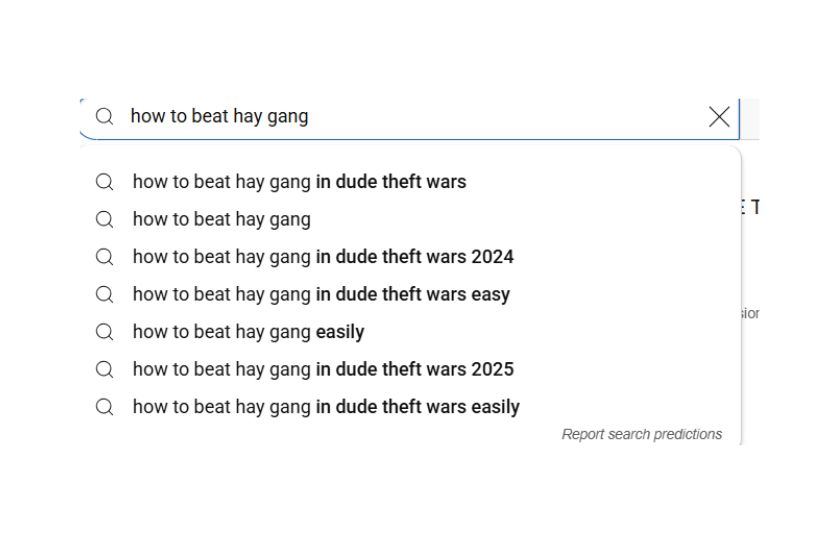
Google itself is one of the most powerful free keyword research tools—and it’s often overlooked. You can uncover highly relevant, long-tail keywords simply by typing in your gaming topic.
How to Use Google Autocomplete:
Start typing a keyword like “how to level up in…” or “best settings for…”
Google will instantly show suggestions based on what real users are searching.
These are long-tail phrases with clear intent and often low competition.
Great for discovering variations like:
“How to level up fast in Call of Duty”
“Best controller settings for Apex Legends PS5”
How to Use “People Also Ask”:
Found below the top results in a search.
Lists related questions that gamers are actively searching for.
Click on one question to reveal more, allowing you to explore deeper topic clusters.
Excellent for creating FAQ sections, blog headers, or video scripts.
Bonus Tip:
Use these keywords for creating specific, problem-solving content like guides, walkthroughs, and tutorial videos.
By using Google this way, you’re tapping into real-world search behavior—making your content more relevant, helpful, and SEO-friendly.

3.Spy on Competitors’ Keywords to Uncover Winning Opportunities
Your competitors can be your best source of keyword inspiration. If they’re already ranking well in the gaming niche, they’ve likely done the research—so reverse-engineer their success.
Tools You Can Use:
SEMrush – Enter a competitor’s domain to view their top organic keywords, traffic estimates, and backlink profile.
Ahrefs – Use Site Explorer to uncover what keywords drive the most traffic and which pages perform best.
Ubersuggest – Offers a simpler, budget-friendly alternative to spot keyword gaps and trending terms.
What to Look For:
Top-performing pages – Identify their blog posts, tutorials, or reviews that rank well and replicate the structure or keyword angle.
Keyword difficulty – Target medium competition keywords that your site can realistically rank for.
Search intent – Focus on keywords with transactional or informational intent, such as:
“Best graphics settings for [Game Name]”
“Where to find rare loot in [Game Name]”
Bonus Tip:
Find keyword gaps—terms your competitor ranks for but you don’t. These represent golden opportunities to create targeted content that fills that void.
By consistently analyzing and adapting from competitors, you gain a strategic edge in your niche.
4. Target Game Titles + Keyword Variations
Using exact game titles in your keywords is a powerful tactic. Gamers usually search with a specific intent, often including the game name along with action words. Targeting these combinations improves relevance and ranking:
Add intent-driven phrases like:
“[Game Name] walkthrough”
“[Game Name] review”
“Best weapons in [Game Name]”
“[Game Name] tips for beginners”
Focus on long-tail variations to target users further down the funnel.
Monitor trending games or upcoming releases and create timely content using those terms.
Optimize for low-competition keywords in niche or indie games to get quicker rankings.
5. Leverage Gaming Forums and Subreddits
When it comes to finding authentic, high-intent keywords in the gaming niche, few resources are as valuable as forums and subreddits. These platforms are where real gamers hang out, ask questions, share tips, and voice opinions—making them keyword goldmines for content creators.
Instead of relying solely on keyword tools, tap into the organic conversations happening daily on sites like:
Reddit: Subreddits such as r/gaming, r/PS5, r/NintendoSwitch, and r/GirlGamers
NeoGAF: A forum focused on gaming news, discussions, and industry trends
GameFAQs: Still a go-to for walkthroughs, cheat codes, and community Q&A
Here’s how to use these platforms for SEO content inspiration:
Identify Repeated Questions
Look for threads that start with “How do I…?”, “What’s the best way to…?”, or “Can someone help with…?” These reveal real search intent.Spot Popular Discussions
Threads with hundreds of comments or upvotes show strong user interest—perfect for blog or video topic ideas.Use Thread Titles as Keyword Seeds
Turn common thread titles into optimized headlines like “Best Loadouts in [Game Name]” or “How to Beat [Boss Name] on Hard Mode.”Create FAQ or Guide Content
Answering real gamer questions builds authority and drives organic traffic with long-tail keywords.
Mining these communities bridges the gap between what people are asking and the content you publish—leading to better visibility and more engaged readers.

Tired of Low Traffic and Zero Conversions?
WorkSEO helps businesses dominate search rankings with smart, scalable SEO.
From technical audits to high-converting content — we handle it all.
6. Use YouTube SEO to Capture Gaming Search Intent
If your website features video content, game tutorials, or streaming highlights, YouTube keyword research is a must. YouTube is the second-largest search engine, and gaming is one of its most active categories.
Tools to Research YouTube Keywords:
TubeBuddy: Reveals search volume, competition, and tag suggestions right inside YouTube.
vidIQ: Offers keyword scores, trending tags, and competitor channel analysis.
YouTube Autocomplete: Start typing a phrase like “best loadout for…” and check the suggested completions.
Popular Search Formats:
“How to beat [Boss Name] in [Game]” – Guides for difficult levels or bosses.
“[Game Name] multiplayer tips” – Strategy-focused keywords for competitive modes.
“Top 10 [Genre] games in 2025” – Great for roundup-style videos or listicles.
“[Game Name] beginner guide” – Valuable for new player onboarding and long-term traffic.
Best Practices:
Include these video titles as embedded content in related blog posts.
Use keyword-rich titles, tags, and video descriptions to improve ranking.
Add timestamps and transcripts to help Google understand video context.
➡️ Blending YouTube and blog SEO boosts visibility across both Google Search and YouTube, maximizing your traffic potential in the gaming niche.
7. Find Long-Tail Keywords for Better Ranking and Engagement
While short keywords like “FPS games” or “RPG” attract high traffic, they’re also incredibly competitive and often too broad. Instead, target long-tail keywords—specific phrases that reflect the exact needs or intentions of gamers.
Why Long-Tail Keywords Matter:
Lower competition: Easier to rank on Google even with a new or niche site.
Higher conversion rates: Users searching long-tail terms often have a clear intent.
More targeted traffic: You attract exactly the audience looking for what you offer.
Examples of Effective Long-Tail Gaming Keywords:
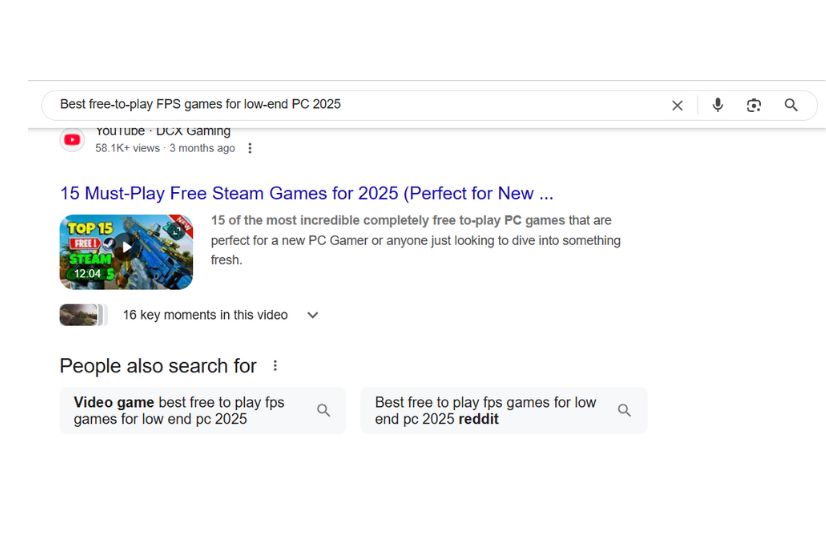
“Best free-to-play FPS games for low-end PC 2025” – Focuses on budget-conscious gamers with hardware limitations.
“Top mobile strategy games like Clash of Clans” – Targets fans looking for alternatives.
“How to stream PS5 games on YouTube with OBS” – Solves a specific problem with actionable content.
“Where to find rare loot in Starfield 2025 update” – Perfect for game-specific guides.
Pro Tip:
Use tools like AnswerThePublic, Google Autocomplete, and Ubersuggest to generate long-tail keyword ideas based on actual user queries.
By prioritizing long-tail keywords, you can rank faster, attract more qualified visitors, and reduce bounce rates by matching exact user intent.
8. Use Keyword Research Tools Specifically for Gaming
Generic keyword tools can offer some insights, but the gaming industry has its own search behaviors—especially across video and live-streaming platforms. To create competitive, high-performing content, you need tools tailored to how gamers search, watch, and engage.
By combining gaming-specific keyword research with SEO strategy, you can find emerging topics, low-competition opportunities, and video-based queries that traditional tools might miss.
Here are the top tools for effective gaming keyword research:
KeywordTool.io (YouTube tab)
Use this to uncover exact search phrases gamers type into YouTube, like “Elden Ring boss fight tips” or “GTA 6 trailer breakdown.” Perfect for walkthroughs, reviews, and tutorials.AnswerThePublic
This tool generates question-based queries, ideal for blog titles or FAQ sections. Examples include “Why is Valorant not working?” or “How to rank up in Apex Legends?”Google Trends (Gaming filter)
Analyze rising and falling interest in specific games or genres. Use it to plan timely content around trending releases or fading interest in older titles.Twitch Tracker
Find out which games have growing live audiences. If a game’s viewer count is spiking, it’s a great time to create content about it.Steam Charts
Monitor active player data to spot surging or resurging PC games worth covering.
Pro Tip:
Match your content calendar with trends from these tools—especially high-volume, low-competition keywords. This gives you the best chance to stand out early and rank faster on both search engines and YouTube.
9. Monitor Seasonal and Event-Based Keywords
In the gaming industry, timing isn’t just important—it’s everything. Search interest often spikes around specific seasons, game updates, and global gaming events. By anticipating these trends and publishing at the right moment, you can dramatically increase your visibility and traffic.
Seasonal and event-based keywords are often high in volume but short in lifespan. That’s why creating timely content aligned with key gaming moments is essential for SEO success.
Key strategies to leverage seasonal and event-based gaming keywords:
Track Major Industry Events
Watch for big announcements and trending topics around:E3
Gamescom
Tokyo Game Show
Summer Game Fest
Follow Game-Specific Updates
Monitor patch notes, new character or weapon releases, season resets, and crossover events in games like:Fortnite
Apex Legends
Call of Duty (Warzone/Multiplayer)
Genshin Impact
Diablo 4
Examples of timely keywords to target:
“Diablo 4 Season 3 tier list”
“Steam Summer Sale 2025 deals”
“GTA 6 E3 trailer breakdown”
“Apex Legends Season 25 meta changes”
“Best builds in Baldur’s Gate 3 after Patch 8”
Use Google Trends and Twitter/X to Spot Rising Interest
React quickly when keywords surge, and publish content just before or as the event unfolds.
Timing Tip:
Aim to publish your guide, analysis, or tier list 24–48 hours before the peak of the event or release. Early content often ranks faster and attracts the initial surge in searches.
10. Organize Keywords by User Intent
One of the most overlooked yet crucial steps in gaming SEO is organizing keywords based on user intent. Not all traffic is created equal—understanding why someone is searching helps you craft content that meets their needs and maximizes results.
There are three main types of search intent: Informational, Navigational, and Transactional. Matching content with the right intent leads to higher click-through rates, lower bounce rates, and better conversion outcomes.
Breakdown of keyword intent for gaming content:
Informational (Top of Funnel)
These users are looking to learn or solve a problem. Ideal for educational or tutorial content.Example keywords:
“How to unlock secret endings in Alan Wake 2”
“Best controller settings for Warzone 2”
Content types: Blog posts, YouTube walkthroughs, long-form guides
Navigational (Mid Funnel)
These searches aim to find a specific site or tool. It’s more about finding the right platform.Example keywords:
“League of Legends client download”
“Epic Games Store login”
Content types: Link hubs, download pages, branded content, redirection pages
Transactional (Bottom of Funnel)
The user is ready to make a purchase or take action. Perfect for monetization.Example keywords:
“Buy PS5 in India at lowest price”
“Best gaming laptops under $1500”
Content types: Affiliate posts, comparison articles, reviews
Pro Tip:
Map your keywords to a content funnel—top (educate), middle (guide), bottom (convert)—to ensure your SEO strategy attracts the right audience at the right stage.
Use AI Tools to Uncover Hidden Keywords
Leverage AI and machine learning tools to go beyond traditional keyword tools:
Use ChatGPT, Gemini, or Claude to brainstorm keyword angles based on game mechanics, genres, and communities.
Feed AI prompts like “What questions do new Fortnite players ask?”
Analyze YouTube video comment sections using AI to extract common questions or problems.
Use tools like Frase.io or AlsoAsked to find people’s follow-up queries.
Explore Google’s “People Also Ask” and Autocomplete using AI to group keyword intents.
Build FAQs, how-to guides, and quick tips based on these AI-discovered terms.
This approach uncovers emerging, low-competition keywords grounded in real player behavior.
Build Keyword-Driven Content Clusters
Instead of single posts, group your content around main themes:
Choose a pillar topic like “Elden Ring Beginners Guide.”
Create subpages:
“Best Starting Classes in Elden Ring”
“How to Beat Margit the Fell Omen”
“Top 5 Elden Ring Weapon Builds”
Link all posts internally to boost topical authority.
Use LSI keywords (latent semantic indexing) to cover related queries.
Keep content updated as patches or DLCs are released.
This cluster method improves rankings for competitive keywords and keeps visitors browsing longer.
Final Thoughts
Doing keyword research for gaming websites isn’t just about finding popular search terms—it’s about aligning your content with gamer behavior. When you dig deep into your niche, understand your audience’s language, and stay agile with trends, your gaming site will not only attract more traffic but also build a loyal following.
Start implementing these 10 powerful keyword research tips today and watch your rankings soar like a perfectly timed headshot.
Bonus Tip: Track, Analyze & Continuously Adjust
SEO is never “set it and forget it.” The gaming world evolves fast, and so must your keyword strategy. To stay competitive, regularly monitor your content performance, identify gaps, and optimize based on real data.
Use the Right Tracking Tools
Google Search Console:
Track keyword impressions, clicks, and CTR.
Identify queries your content already ranks for—optimize further.
Spot underperforming pages and fix indexing issues.
Google Analytics 4:
Analyze bounce rate, session time, and user behavior flow.
Identify which gaming topics bring repeat visitors.
Track goals like affiliate clicks, form submissions, or newsletter signups.
SEMrush / Ahrefs / Ubersuggest:
Spy on competitor growth and keyword rankings.
Get alerts when your rankings drop or new opportunities emerge.
Discover long-tail keyword ideas and backlink insights.
🔄 Continuous Optimization Tactics
Update outdated content:
Refresh meta titles, game stats, release info, and patch notes.
Replace dead links or outdated screenshots.
Add internal links:
Guide users to relevant tutorials, reviews, or walkthroughs.
Improve page authority by linking to newer or cornerstone content.
Re-target new keywords:
Use new trend data from Google Trends or Reddit.
Optimize existing articles by inserting newly emerging terms.
Need Help?
SEO in the gaming niche is fast-moving. At WorkSEO.in, we specialize in gaming and entertainment SEO, helping websites scale with data-driven strategies and keyword targeting.
👉 Ready to level up your gaming site’s visibility?
Contact us today and let’s build your traffic together.
FAQs
1.Why is keyword research important for gaming websites?
2.How can I find the best keywords for my gaming website?
3.What are long-tail keywords, and why should I use them?
4.How can I optimize my gaming website for search engines using keywords?
5.How often should I update my keyword strategy for a gaming website?
Latest Insights from Our SEO Experts
Stay updated with actionable SEO tips, strategies, and trends from the WorkSEO editorial team—designed to help your business grow organically and rank higher on search engines.
If you want a career that doesn’t depend on campus placements, coding degrees, or expensive masters programs — learning SEO […]
If you’re planning to build a career in SEO and want real job opportunities (not just a certificate), choosing the […]
Video content marketing is no longer optional. In 2026, brands that combine SEO + video strategy are dominating both Google […]