Search engine optimization is no longer just about keywords, backlinks, and technical fixes. Artificial Intelligence (AI) has fundamentally changed how search engines understand content, evaluate relevance, and rank websites. Google’s algorithms now rely heavily on machine learning models that interpret intent, behavior, and content quality at scale.
For businesses, this means traditional SEO tactics alone are no longer enough. To stay competitive, SEO strategies must evolve alongside AI-driven search systems. In this guide, WorkSEO explains how AI in SEO is reshaping search rankings and what marketers must do to adapt.
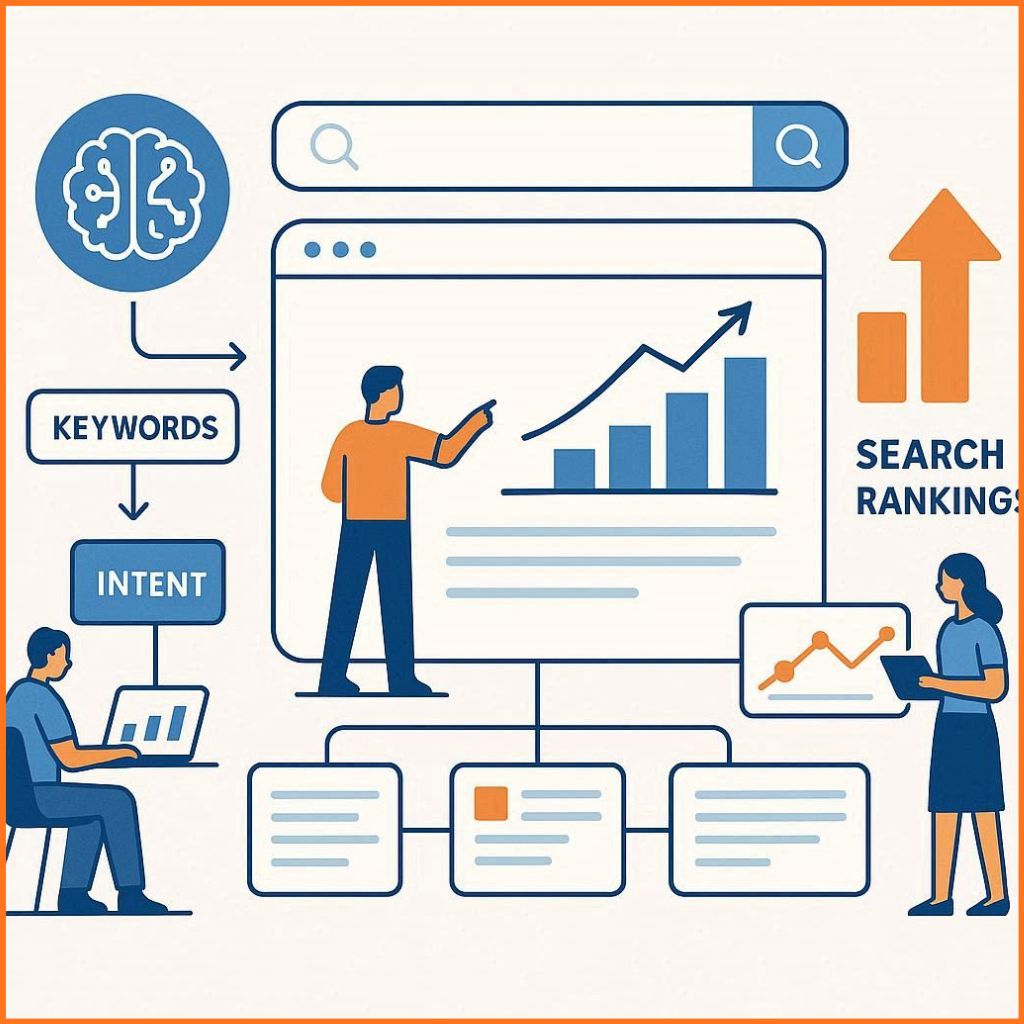
How AI Is Transforming Modern SEO
AI has reshaped how search engines work at a core level. Earlier systems followed fixed rules and clear instructions. Today, AI learns from large amounts of real search data. It studies how people search, click, read, and leave pages.
Because of this shift, search engines no longer rely on exact keyword matches. They look at meaning, context, and relevance instead. Pages rank higher when they truly answer what users want.
From Keywords to Search Intent
AI helps search engines understand search intent more accurately. It can tell whether a user wants information, a comparison, or a solution. This makes SEO more focused on purpose than placement.
Content now needs to match the reason behind the search. A page that solves a problem clearly performs better than one filled with keywords.
Quality and Usefulness Matter More
AI evaluates how helpful content is for real users. It looks at structure, clarity, and completeness. Pages that explain topics well tend to rank longer and more consistently.
Thin or repetitive content struggles to perform. Search engines reward pages that provide real value and practical answers.
User Experience Influences Rankings
AI tracks how users interact with a page. It notices time spent, scrolling, and return visits. These signals help search engines judge satisfaction.
Clear layouts, fast loading pages, and readable content support better rankings. Good experience now supports good SEO.
SEO Becomes Strategy, Not Tactics
AI has moved SEO beyond technical tricks. Success now depends on understanding users and business goals. Rankings reflect how well content helps people.
At WorkSEO, we focus on intent, clarity, and results. This approach aligns SEO with long-term growth, not short-term gains.
1. AI-Powered Search Algorithms Understand Intent Better
Search engines now use AI to understand why people search online. They study intent, not just the typed words. A single keyword can have different meanings for different users.
Because of this, two people may see different results for similar searches. One user may want information, while another wants to buy. AI adjusts results based on these signals.
SEO Must Match Search Purpose
Modern SEO focuses on the purpose behind each search. Content must match what users expect to find. Pages that clearly answer questions perform better in search results.
Keyword-focused pages without clear intent often fail to rank. Search engines reward content that solves real problems.
Better Intent Alignment Improves Results
When content matches intent, users stay longer and engage more. This sends positive signals to search engines. Rankings improve naturally over time.
At WorkSEO, we build content around user intent. This approach delivers stronger visibility and better business results.

2. Content Quality Is Evaluated Using AI Signals
Search engines now use AI to judge content quality with greater accuracy. AI reviews depth, clarity, and usefulness across the page. It checks whether content truly explains a topic or repeats surface-level ideas.
Thin or copied content struggles to perform well. Pages created only to fill space often lose visibility over time.
What High-Quality Content Looks Like Today
High-ranking content covers topics in a complete and clear way. It follows a logical structure that readers can easily follow. Ideas flow naturally from one section to the next.
Strong content also shows real experience and practical knowledge. It answers common questions and solves real problems.
Write for People First, Not Machines
SEO content must focus on human readers first. Clear language, helpful examples, and useful guidance matter most. AI simply confirms whether users find the content valuable.
At WorkSEO, we create content that educates and engages. This approach builds trust, rankings, and long-term growth.
3. Semantic Search Replaces Exact Keyword Matching
AI-driven semantic search understands meaning, not just exact words. Search engines now read context and relationships between terms. This reduces the need to repeat the same keyword across a page.
Modern SEO focuses on topics instead of single keywords. Content works best when it covers a subject in full detail. This helps search engines understand relevance more clearly.
Topic-Based Content Improves Visibility
Strong SEO content uses topic clusters and supporting subtopics naturally. Each section explains a related idea in simple language. This creates a clear and helpful structure for readers.
Natural wording helps content feel human and easy to read. Related terms and entities add depth without forcing keywords. This approach improves trust and engagement.
One Page Can Rank for Many Searches
When content covers a topic fully, it ranks for many related queries. Search engines connect ideas and match them to different searches. A single page can attract traffic from hundreds of relevant terms.
At WorkSEO, we build content around complete topics. This strategy delivers wider reach and stronger long-term SEO results.

4. User Experience Signals Impact Rankings More Than Ever
AI evaluates how users interact with a page after clicking from search results. Signals such as engagement time, scrolling behavior, and pogo-sticking influence rankings indirectly.
SEO must now integrate:
- Page speed optimization
- Mobile usability
- Clear content layout
- Conversion-friendly UX
AI connects poor user experience with low relevance.
5. AI Helps Detect Manipulative SEO Practices
Search engines now use AI to spot unfair SEO tactics quickly. AI studies patterns across websites and links. It notices actions that look forced, repeated, or unnatural.
Keyword stuffing no longer works like before. Pages overloaded with keywords lose trust and visibility. AI connects these signals to poor user experience.
Low-Quality Links Trigger Ranking Risks
AI also reviews backlink patterns carefully. It checks link sources, timing, and relevance. Spammy or paid links often stand out clearly.
Websites using weak link networks face ranking drops. Search engines prefer links earned through trust and value. Natural links show real authority.
Scaled Content Faces Stronger Filters
AI detects mass-produced content with little value. Pages created only for traffic fail to engage users. Low time on page sends negative signals.
Search engines now reward depth and originality. Each page must offer clear answers and helpful guidance.
Sustainable SEO Builds Long-Term Authority
Modern SEO avoids shortcuts and tricks. It focuses on quality, relevance, and consistency. Authority grows through useful content and real expertise.
At WorkSEO, we follow ethical SEO methods. We build strong foundations that protect rankings and support long-term growth.

6. Personalized Search Results Are Increasing
AI enables personalization based on location, device, previous behavior, and preferences. Search rankings are no longer the same for everyone.
This makes SEO reporting more complex and requires businesses to focus on:
- Consistent visibility across segments
- Local and intent-based optimization
- Brand authority signals
Rankings must be evaluated alongside traffic quality and conversions.
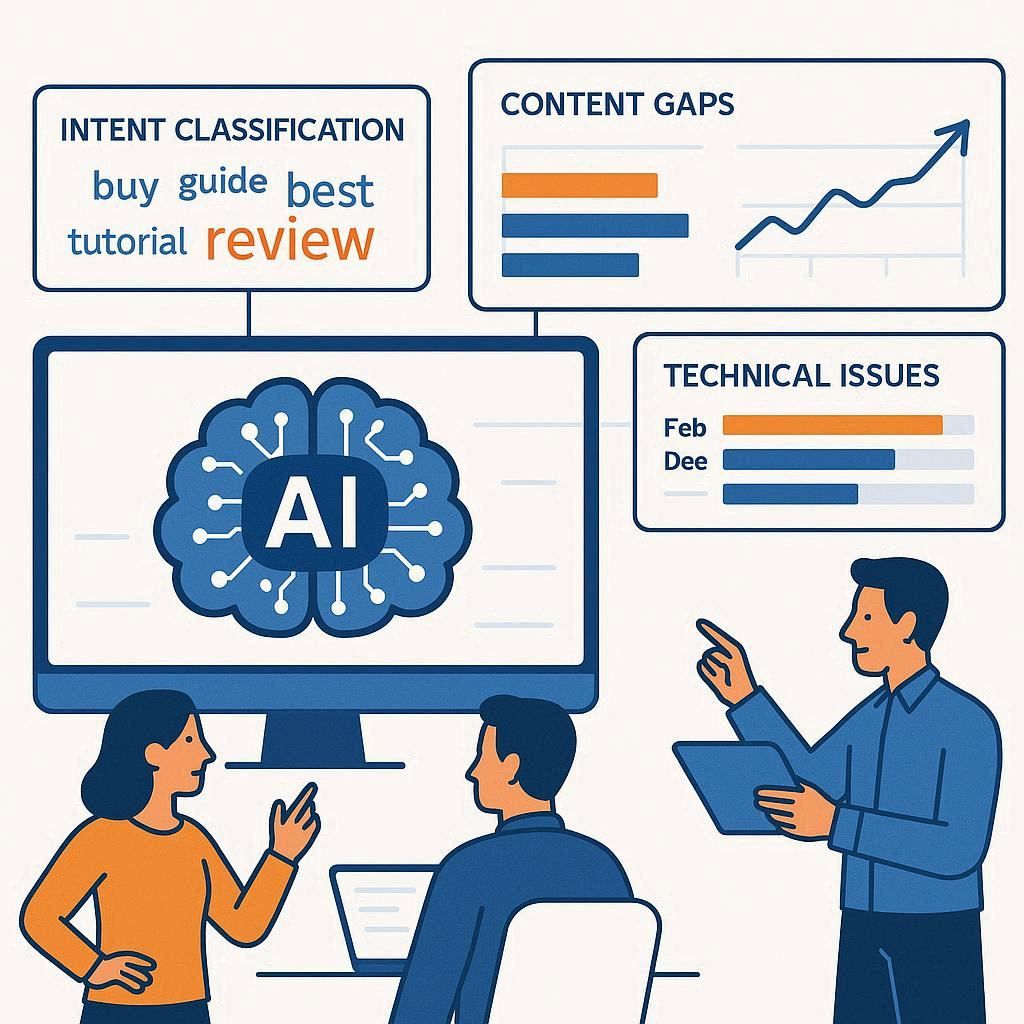
7. AI Accelerates SEO Data Analysis and Insights
AI-powered SEO tools analyze massive datasets quickly, identifying opportunities that manual analysis would miss.
Marketers now use AI for:
- Keyword intent classification
- Content gap analysis
- Predictive traffic trends
- Technical issue detection
AI enhances decision-making—but strategy still requires human expertise.
8. Content Creation Is Assisted, Not Replaced, by AI
AI tools support content ideation, outlines, and optimization suggestions. However, search engines prioritize human-led content with real insight.
Effective SEO content blends:
- AI efficiency
- Human experience
- Brand voice
- Business objectives
Over-reliance on AI-generated content without editorial control leads to weak rankings.
9. Voice Search and Conversational Queries Are Growing
AI-driven voice assistants have increased conversational search queries. These searches are longer, more natural, and intent-driven.
SEO strategies must adapt by:
- Answering specific questions
- Using structured data
- Writing in natural language
- Targeting featured snippets
This improves visibility across voice and AI-powered search interfaces.
10. SEO Is Shifting From Rankings to ROI
AI has pushed SEO beyond keyword positions. Search engines reward content that delivers value—and businesses must track value too.
Modern SEO success is measured by:
- Qualified traffic
- Leads and conversions
- Revenue contribution
- Long-term brand growth
AI aligns SEO performance more closely with business outcomes.
Conclusion: Adapting SEO Strategy for an AI-Driven Search Future
SEO Has Entered a New AI-Driven Era
Artificial Intelligence has reshaped how search engines rank content. Rankings no longer depend on technical tricks alone. Search engines now focus on meaning, usefulness, and real user satisfaction.
This shift has changed how SEO works at every level. Success now comes from understanding people, not just algorithms. Content must serve a clear purpose.
Strategy Matters More Than Tactics
SEO is no longer a checklist of tasks. It has become a long-term strategy focused on intent and experience. Pages must guide users and answer questions clearly.
Search engines reward content that feels helpful and easy to use. Clear structure and strong messaging now influence visibility more than shortcuts.
Businesses Must Adapt to Stay Visible
Companies that adopt AI-informed SEO stay ahead of competitors. They attract better traffic and earn stronger trust. Their rankings remain stable during updates.
Businesses using outdated methods face steady decline. Old tactics fail to meet modern search expectations. Visibility drops when value is missing.
WorkSEO’s Approach to Future-Proof SEO
At WorkSEO, we align SEO with business goals. We focus on clarity, intent, and measurable results. Our strategies support long-term growth, not temporary gains.
Adapting to AI-driven search is not optional. It is the path to sustainable visibility and lasting succes
At WorkSEO, we help businesses adapt to AI-driven search with strategy-first SEO focused on ROI, not vanity rankings. We track real outcomes such as leads, conversions, and revenue impact. Rankings matter only when they support measurable business growth.
Our approach combines human expertise with AI-based insights and practical execution. This ensures SEO strategies remain ethical, effective, and future-ready. Every step aligns with long-term visibility and sustainable results.
WorkSEO also trains professionals and business owners through practical SEO courses. Our training focuses on real-world SEO skills, not theory or shortcuts. We teach how modern search works and how AI influences rankings.
Students learn intent-based SEO, content strategy, technical foundations, and ROI tracking. The course follows the same methods we use for client projects. This prepares learners for real business challenges.
Whether you want growth or skill development, WorkSEO supports both goals. Visit WorkSEO.in to explore AI-driven SEO services and professional SEO training
👉 Want to future-proof your SEO strategy?
Visit WorkSEO.in and discover how AI-powered SEO can deliver real business results.