In today’s fast-paced digital world, keyword research has become the cornerstone of any effective SEO strategy. Whether you’re targeting a niche audience in the U.S. or expanding your reach to global markets, understanding how to conduct keyword research for SEO can significantly improve your website’s traffic and visibility.
At WorkSEO, we believe in going beyond the basics. Let’s explore 10 advanced keyword SEO strategies designed to help you dominate both local and international search results.
Here are effective keyword research techniques for improved organic SEO traffic:
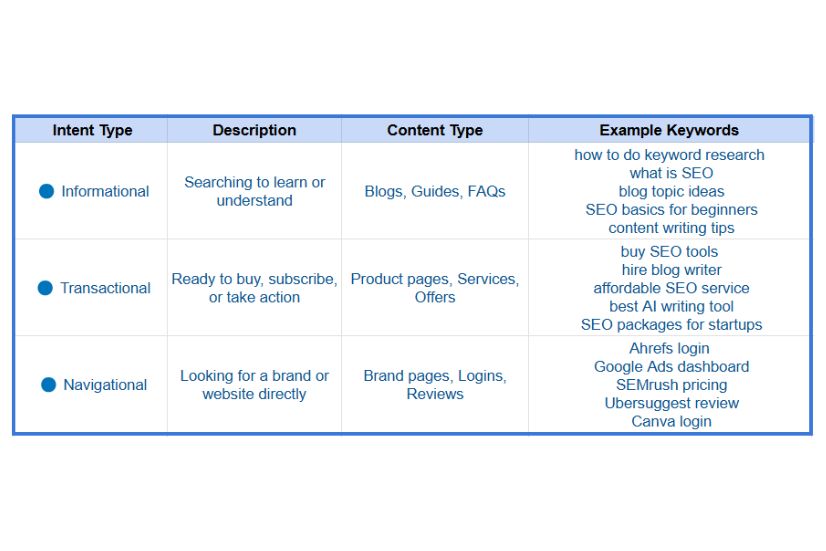
Focus on Search Intent: Go deeper than simple keyword volume. Analyze whether the user’s intent is informational, navigational, or transactional. This helps match your content precisely to what users are looking for.
Use Keyword Clustering: Group related keywords to build topic authority. This improves internal linking and helps your pages rank for multiple variations of a keyword.
Target Long-Tail Keywords: These often show higher conversion rates and less competition, especially when targeting specific buyer personas.
Leverage Competitor Gap Analysis: Discover keywords your competitors rank for but you don’t. Use tools like Ahrefs or SEMrush to fill these gaps.
Include LSI Keywords: Use Latent Semantic Indexing (LSI) keywords to strengthen topical relevance and boost contextual understanding.
Optimize for Keyword Difficulty and Opportunity: Prioritize keywords that offer a balance between search volume and ranking difficulty.
Apply Keyword Research International: For global targeting, localize keywords using region-specific data and languages.
Implement Advanced International SEO Approaches: Customize your keyword strategy by region, considering search engine preferences, cultural language nuances, and localized content structure.
Utilize Google Trends and Search Console Data: Track real-time keyword performance and adjust strategy accordingly.
Map Keywords to Buyer Journey: Align your keyword strategy to awareness, consideration, and decision stages for targeted content creation.
Why Keyword Research Is Crucial for SEO Success in Global Markets
In the highly competitive world of digital marketing, keyword research is more than just choosing high-volume search terms—it’s about understanding your audience, their intent, and how they search across different platforms and regions. When you perform strategic keyword research for SEO, you lay the foundation for content that connects with real user needs.
For international brands and global SEO campaigns, keyword research becomes even more critical. Search behavior varies by region, language, and cultural preferences. A keyword that performs well in the U.S. might not even be searched in the UK or India.
Here’s why keyword research is essential for global SEO success:
✅ Improves content relevance: Helps align your blog posts, product pages, and videos with what users are actually searching for.
✅ Targets the right audience: Enables precise audience segmentation based on country, language, and intent.
✅ Maximizes ROI: Avoids wasteful marketing spend on keywords that don’t convert.
✅ Drives long-term traffic: High-ranking content based on strong keywords continues to bring in organic traffic for months or even years.
✅ Unlocks new markets: Keyword tools help uncover emerging trends and niche opportunities globally.
By taking a strategic approach to Google keyword research, businesses can expand their online footprint and stay ahead of competitors in the international space.
1. Start with Competitor Keyword Gap Analysis
One of the most effective keyword research techniques for improved organic SEO traffic is identifying what your competitors are ranking for—but you’re not. Instead of starting from scratch, advanced keyword SEO strategies begin with reverse-engineering your competitor’s content.
Using tools like SEMrush, Ahrefs, or Ubersuggest, you can perform a comprehensive competitor keyword gap analysis to identify untapped opportunities.
Here’s how this method works and why it’s valuable:
Uncover Hidden Opportunities
Discover high-volume, low-competition keywords that are already driving traffic to your competitors.Refine Your Content Plan
Use this data to create or optimize pages that directly compete with top-performing content in your niche.Avoid Ineffective Terms
Skip targeting generic or saturated keywords by learning from your competitors’ mistakes and successes.Accelerate Results
Instead of waiting months to find which keywords perform, start with proven ones.Enhance International Reach
Use the geo-filtering feature in tools to analyze keyword gaps for different regions. This is crucial for keyword research international and applying advanced international SEO approaches effectively.Improve Ranking Efficiency
Focus efforts on keywords with higher likelihood of ranking based on competitor performance data.
At WorkSEO, we recommend making this analysis a foundational step in your SEO workflow. It not only aligns with data-driven planning but also supports scalable, results-focused growth.
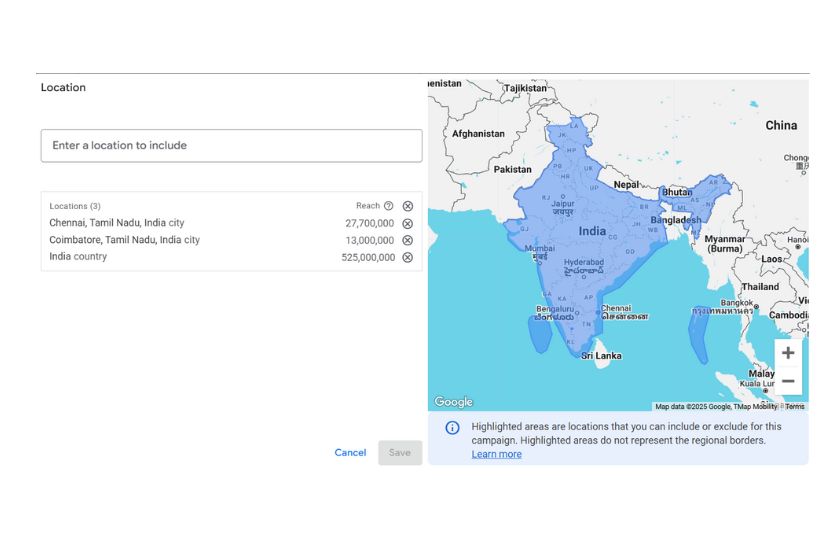
2. Use Google Keyword Planner with Geo-Targeting
While many marketers rely on Google Keyword Planner for basic research, few leverage its full potential for advanced keyword SEO strategies—especially its geo-targeting capabilities. This underutilized feature allows you to analyze keyword data by country, city, or region, making it essential for brands aiming for international growth.
Geo-targeting enables you to customize your keyword approach based on local demand, cultural relevance, and search behavior.
Here’s how it strengthens your SEO efforts:
Enhances Localization
Discover location-specific keyword trends, allowing your content to speak directly to local audiences.Increases Global Visibility
A core element of keyword research international, geo-targeting ensures that your strategy is tailored for specific countries and languages.Boosts Multilingual SEO
Crucial for multilingual sites, this approach identifies high-value keywords in each target market, driving qualified international traffic.Improves Conversion Rates
Targeting keywords that match regional user intent leads to better engagement and conversions.Supports Regional Campaigns
For businesses running geo-specific promotions, keyword data can be segmented to match campaign goals.Example Insight
A term like “holiday packages” may have a higher volume in the UK, while “vacation deals” may perform better in the U.S. Using these insights improves campaign accuracy.
Using Google Keyword Planner with location filters is one of the most effective keyword research techniques for improved organic SEO traffic. At WorkSEO, we use this data-driven method to support advanced international SEO approaches that drive measurable results.
3. Analyze SERP Intent with AI Tools
One of the most overlooked yet powerful advanced keyword SEO strategies is aligning your content with search intent. Not all keywords drive the same actions—some are informational, while others are transactional or navigational. Understanding this distinction is key to increasing both visibility and conversions.
AI-driven platforms like Frase, Surfer SEO, and ChatGPT can help decode the intent behind keywords. These tools analyze top-ranking pages in real time, helping you tailor your content format and structure to what users are actually searching for.
Here’s why SERP intent analysis is vital:
Improves Content Relevance
Ensures that your content answers the user’s query clearly and directly, improving satisfaction and SEO performance.Boosts Engagement Metrics
Aligning with intent leads to higher click-through rates and dwell time, both of which are positive signals for search engines.Reduces Bounce Rates
When users find exactly what they expect, they’re more likely to stay and explore.Supports Effective Keyword Research Techniques for Improved Organic SEO Traffic
It’s not just about ranking—it’s about ranking with purpose. Content must match the user’s mindset to convert.Enhances Keyword Mapping
Matching keywords to appropriate content types—such as blog posts for informational intent or product pages for transactional terms—improves user experience.Crucial for Keyword Research International
Intent may vary by region. What users in Germany expect from a keyword could differ from users in Canada.
At WorkSEO, we integrate SERP intent analysis into our advanced international SEO approaches to ensure your content not only ranks—but performs.
4. Leverage Long-Tail Keywords for Global Niches
When it comes to advanced keyword SEO strategies, long-tail keywords are one of the most effective and underutilized tools—especially for international SEO. These keyword phrases are longer, more specific, and less competitive, making them ideal for brands targeting niche markets across different countries.
For example:
“Best running shoes for flat feet in Canada”
“Affordable SEO tools for freelancers in Australia”
These phrases may have lower search volumes, but they attract users with clear, specific intent—often closer to the point of conversion.
Here’s why long-tail keywords matter in keyword research international:
Drive Targeted Global Traffic
They help reach users with specific needs, increasing the likelihood of engagement and action.Reflect Regional Language Preferences
Words and phrasing vary by country. Long-tail terms capture local nuances, making your content more relatable.Support Content Personalization
Enable creation of highly relevant content for segmented audiences across regions or buyer personas.Improve Conversion Rates
Because the searcher is often further along in the buyer journey, these keywords convert more effectively.Enhance Organic Visibility in Niche Markets
Useful for breaking into competitive industries by focusing on underserved subtopics.Align with Advanced International SEO Approaches
Tailoring long-tail keyword strategy by region ensures that your SEO efforts remain both globally scalable and locally relevant.
At WorkSEO, we integrate long-tail targeting as a core component of our effective keyword research techniques for improved organic SEO traffic, helping clients attract and convert the right audience—no matter where they are.
5. Use Google Autocomplete & Related Searches Smartly
Sometimes, the best keyword ideas come straight from Google itself. Two powerful yet often overlooked features—Google Autocomplete and Related Searches—can serve as real-time insight tools for building a robust SEO strategy. These suggestions reflect what users are actively searching, making them an excellent foundation for both local and keyword research international efforts.
Using these features is one of the simplest yet most effective keyword research techniques for improved organic SEO traffic.
Here’s how to leverage them:
Start Typing a Keyword
Enter a broad term like “digital marketing” or “best hotels in Tokyo” into Google.Observe the Autocomplete Suggestions
Google will offer a list of the most common queries people type next—these often reflect long-tail keyword opportunities.Scroll Down for Related Searches
At the bottom of the search results page, you’ll find “Searches related to…” This section shows keyword variations and regional phrasing.Use Browser Extensions to Automate Discovery
Tools like Keywords Everywhere and Surfer Keyword Extension can quickly extract and export these keyword suggestions.
Benefits of this strategy:
Uncovers Real-World Search Behavior
Get insights into how users think and phrase their queries.Supports Advanced Keyword SEO Strategies
Adds depth and breadth to your keyword lists.Enables Global Localization
Tailor your keyword research to different regions and languages, a key factor in advanced international SEO approaches.
At WorkSEO, we use this technique to discover untapped content angles and enhance keyword depth across all markets.


Tired of Low Traffic and Zero Conversions?
WorkSEO helps businesses dominate search rankings with smart, scalable SEO.
From technical audits to high-converting content — we handle it all.
6. Explore Question-Based Keywords with AnswerThePublic
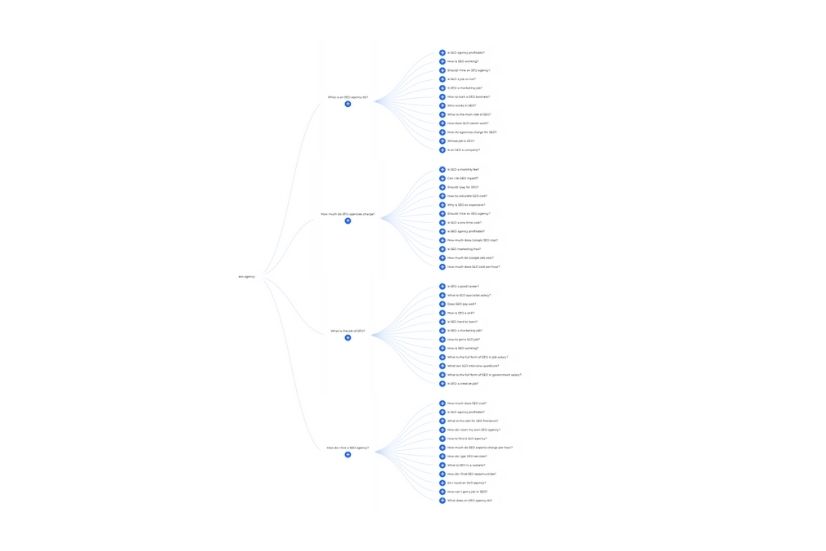
In the age of conversational search and voice assistants, users are increasingly turning to search engines with full questions—not just keywords. Incorporating question-based keywords into your strategy is a vital part of advanced keyword SEO strategies. Tools like AnswerThePublic, AlsoAsked, and SEMrush’s Question Finder help uncover exactly how users phrase their problems or needs.
These tools visualize real user queries based on keyword input, grouped into “what,” “how,” “why,” and other question formats. For example, a query like “How does keyword research affect SEO rankings?” not only highlights user intent but also opens the door for informational content that directly addresses common pain points.
Why this technique works:
Perfect for Blog Posts and FAQ Pages
You can structure content around actual user queries, making it more relevant and discoverable.Helps Capture Featured Snippets
Well-structured answers to specific questions increase your chances of ranking in position zero, especially with clear headings and concise answers.Boosts Visibility in Voice Search
Voice queries are often phrased as questions. Targeting these can improve your visibility in smart speaker and mobile voice searches.Enhances Keyword Research International
Users in different countries ask different questions—even about the same topic. Tailoring your Q&A content per region is a smart advanced international SEO approach.
At WorkSEO, we use these insights as part of our effective keyword research techniques for improved organic SEO traffic, ensuring our clients rank not just for keywords—but for real questions users care about.
7. Incorporate Trending Keywords Using Google Trends
Staying current with search behavior is essential for building a resilient SEO strategy. One of the most accessible and insightful tools for this purpose is Google Trends. It allows you to monitor keyword popularity over time and compare performance across countries, regions, and languages—making it a powerful asset for keyword research international campaigns.
Unlike static keyword tools, Google Trends offers real-time insights, helping you capitalize on growing topics and avoid those with declining interest.
What to look for:
Rising Keywords
Identify search terms that are gaining momentum. These are ideal for timely blog posts, seasonal offers, or new product launches.Seasonal Trends
Many industries have cyclical demand (e.g., “winter jackets” or “Black Friday SEO”). Aligning your content calendar with these trends improves traffic potential.Declining Search Interest
Avoid investing time in content for keywords that are losing relevance. Google Trends helps validate long-term keyword viability.
Pro Tip: Pair Google Trends data with keyword metrics from Ahrefs, Ubersuggest, or SEMrush to validate search volume and competitiveness. This two-step process strengthens your advanced keyword SEO strategies by grounding them in both trend and volume data.
At WorkSEO, we use Google Trends not just for content planning but also to guide our advanced international SEO approaches, ensuring your website targets relevant, timely search behavior across all regions.
By integrating trending data with volume analysis, you unlock one of the most effective keyword research techniques for improved organic SEO traffic.

8. Mine YouTube & Pinterest for Visual Search Keywords
While most SEO strategies focus heavily on Google, platforms like YouTube and Pinterest are powerful visual search engines that deserve equal attention—especially if you want to execute truly advanced keyword SEO strategies across multiple content formats.
These platforms aren’t just social media—they function as discovery engines, where users actively search for information, ideas, and solutions. Incorporating keyword insights from YouTube and Pinterest adds dimension to your strategy and enhances visibility across different audience segments.
Here’s why it matters:
YouTube for Video SEO
Use tools like TubeBuddy and VidIQ to analyze trending video topics, tags, and search queries. This is essential for optimizing video content and expanding into visual storytelling.Pinterest for Visual Niches
Ideal for fashion, travel, home décor, beauty, and wellness industries. Use Pinterest Trends and Pinterest Analytics to discover keyword patterns and seasonal interests.Supports Keyword Research International
Pinterest and YouTube audiences differ by country. Exploring what visual content performs in different regions supports your advanced international SEO approaches.Content Repurposing Opportunity
Extract keywords from these platforms and repurpose blog content into Pinterest pins or YouTube videos to maximize reach.Improves Organic Reach Beyond Google
These keywords may not appear in traditional SEO tools but can drive substantial traffic from alternative search engines.
At WorkSEO, we include visual platform keyword mining as part of our effective keyword research techniques for improved organic SEO traffic, ensuring your brand performs wherever your audience searches.
9. Cluster Keywords by Topic Using Semantic SEO
In today’s algorithm-driven landscape, search engines are no longer focused on exact-match keywords—they prioritize topical authority. One of the most advanced keyword SEO strategies to address this shift is semantic keyword clustering. By organizing related keywords into topic clusters, you create content that aligns with how Google understands and ranks information.
Rather than producing isolated articles around individual keywords, this strategy involves building a content ecosystem centered on a core theme.
Example Topic Cluster: Keyword Research
Main Pillar: Keyword Research
Subtopics:
How to use Google keyword research tools
Long-tail vs short-tail keywords
Keyword clustering strategies
This approach offers several key benefits:
Boosts Topical Relevance
Interconnected content reinforces your authority in the eyes of search engines.Improves Internal Linking
Clustered pages naturally link to each other, helping search engines crawl your site more effectively.Increases Time on Site
Visitors are more likely to explore related pages, reducing bounce rates and increasing engagement.Supports Keyword Research International
Clustering localized subtopics under global themes is central to advanced international SEO approaches.Enhances Content Scalability
Makes it easier to expand into related areas without disrupting your existing SEO structure.
At WorkSEO, we use semantic clustering as a core part of our effective keyword research techniques for improved organic SEO traffic, helping clients rank higher while delivering a richer user experience.
10. Review & Refresh Your Keyword Strategy Quarterly
SEO isn’t a one-time setup—it’s an evolving process. One of the most effective keyword research techniques for improved organic SEO traffic is regularly reviewing and refining your strategy. Trends shift, user behavior changes, and search engine algorithms evolve. That’s why conducting a quarterly keyword audit is crucial for sustained performance, especially when executing advanced keyword SEO strategies across multiple regions.
A quarterly review helps you stay aligned with market demand and identify gaps before they impact rankings.
Here’s what to assess:
Remove Underperforming Keywords
Eliminate keywords that no longer bring value or traffic. Use performance data to declutter and sharpen focus.Update Keyword Intent
User intent may change over time. Reevaluate whether your existing content still matches what users are searching for.Discover New Opportunities
Emerging trends or seasonal shifts may present new high-potential keywords worth targeting.
Recommended tools:
Google Search Console – Track impressions, clicks, and search queries.
Ahrefs Rank Tracker – Monitor keyword position changes.
Screaming Frog – Conduct technical and on-page checks for outdated metadata or under-optimized content.
Why it matters:
Ensures your SEO strategy reflects the latest search behavior
Maintains competitive edge in international markets
Supports scalable content planning with real-time data
At WorkSEO, we consider quarterly audits a non-negotiable step in all advanced international SEO approaches. Staying proactive with keyword strategy is essential to drive consistent growth and global visibility.
Final Thoughts
Keyword research is not a one-time task—it’s the backbone of ongoing SEO success. Whether you’re launching a new site or expanding into global markets, your keyword strategy must evolve with changing trends, user behavior, and search engine updates.
By applying these 10 advanced keyword SEO strategies, you’ll move beyond the basics and build a data-driven approach that fuels higher rankings, better visibility, and meaningful engagement. From question-based research and semantic clustering to geo-targeted insights and trend tracking, these techniques are essential for mastering both local and keyword research international campaigns.
No matter your role—digital marketer, content strategist, or business owner—staying current with tools like Google Keyword Planner, AnswerThePublic, Google Trends, and Ahrefs will help you discover new opportunities, improve targeting, and boost conversions.
At WorkSEO, we don’t just do keyword research—we specialize in crafting scalable, region-specific strategies using the most effective keyword research techniques for improved organic SEO traffic. Whether you’re targeting a specific region or managing a multi-language website, our team is here to support your global goals.
Ready to Grow Globally?
Let’s turn your keywords into customers.
WorkSEO.in offers expert-led advanced international SEO approaches designed to help your brand succeed worldwide.
📞 Call or WhatsApp us at +91 9442611433
📧 Email: admin@workseo.in
🌐 Visit: www.workseo.in
Contact our SEO experts today and start your journey to global visibility.
Latest Insights from Our SEO Experts
Stay updated with actionable SEO tips, strategies, and trends from the WorkSEO editorial team—designed to help your business grow organically and rank higher on search engines.
If you want a career that doesn’t depend on campus placements, coding degrees, or expensive masters programs — learning SEO […]
If you’re planning to build a career in SEO and want real job opportunities (not just a certificate), choosing the […]
Video content marketing is no longer optional. In 2026, brands that combine SEO + video strategy are dominating both Google […]